



When I think about medical products, I never see only a tray, an orthopedic support, a packaging insert, a protective pad, or a cushioning component, because every material used around medical devices carries a quiet responsibility for hygiene, safety, product stability, and user confidence 😊. In healthcare environments, even a small material detail can influence cleanliness, moisture behavior, particulate risk, device protection, and the overall feeling of reliability, so choosing the right foam is not just a purchasing decision, it is a quality decision that touches patients, clinicians, manufacturers, and regulatory teams at the same time. This is exactly why DurProx physically cross linked polyethylene foam deserves attention, because the official DurProx product information describes a foam with a very closed cell structure, smooth surface, superior mechanical properties, advanced dimensional stability, water and moisture resistance, odorless structure, chemical resistance, and internal texture that becomes sterile thanks to the Electron Beam method, which makes the material especially meaningful for demanding medical and healthcare related applications.
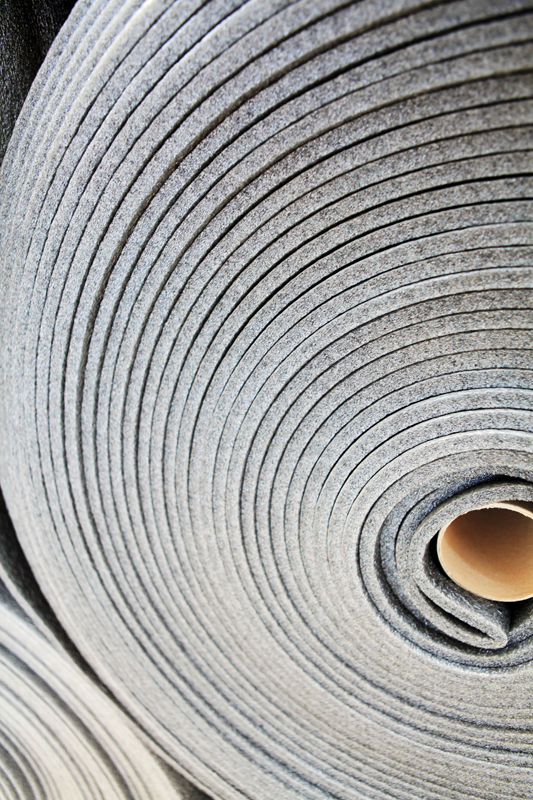
In simple language, medical hygiene begins with materials that do not behave like a sponge, because absorbent, dusty, rough, or unstable materials can create unwanted risks in sensitive environments where cleanliness and repeatability matter deeply. Cross linked polyethylene foam, often called XLPE foam, is widely discussed in medical packaging because it combines closed cell structure, cushioning, water resistance, smooth surface quality, and low particulate behavior, and medical foam fabricators commonly highlight closed cell polyethylene foam for stable, non shedding surfaces, moisture resistant construction, energy absorbing protection, and predictable seating inside trays or packaging systems. As a physically cross linked polyethylene foam manufacturer, Durfoam brings this material logic into a production framework where hygiene focused applications need more than softness, because they need clean surfaces, controlled structure, dimensional consistency, and protection against impact or vibration during handling.
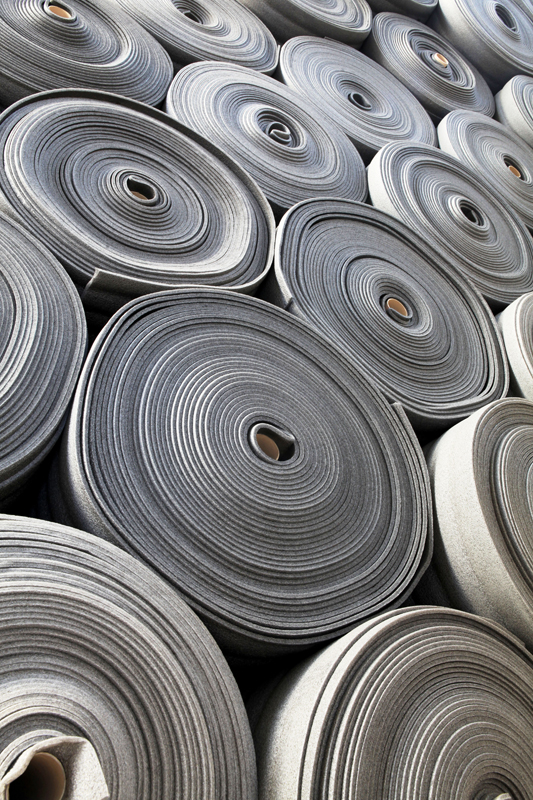
Why Hygiene Focused Foam Selection Matters in Medical Products
Medical products often move through production, storage, transport, clinical preparation, and end use environments where contamination control, physical protection, and visual cleanliness all matter, and this is why the foam used in trays, inserts, supports, cushions, separators, and protective packaging must be chosen carefully. If a foam sheds particles, absorbs liquids, loses shape, creates dust, traps moisture, or damages delicate device surfaces, it can become a weak point in a quality system, even if the device itself is perfectly manufactured. I like to compare medical foam selection to choosing the right glove for a surgeon, because the material may look simple from the outside, yet the fit, cleanliness, strength, and feel can change the reliability of the whole process 🧤.
This is where DurProx becomes valuable because physically cross linked polyethylene foam has a fine and steady structure that supports smooth surface appearance, impact recovery, water and moisture resistance, and broad shaping possibilities. A polyethylene foam manufacturer can produce foam for many general packaging and insulation needs, but medical product environments often ask for a higher performance profile, and that is why a more advanced cross linked foam can be preferred when the application requires hygiene awareness, precision, resilience, and a cleaner surface feeling. In other words, the question is not only “Can this foam protect the product?” but also “Can this foam protect the product cleanly, consistently, and confidently?”
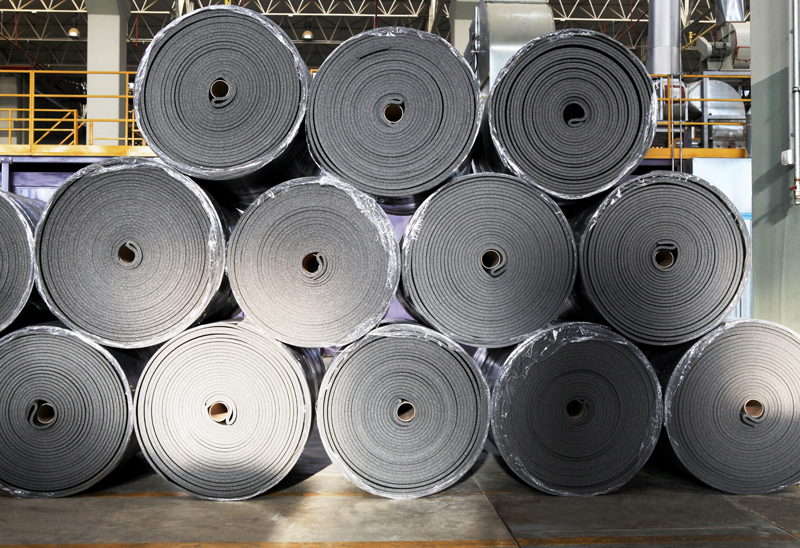
| Medical Product Requirement | Common Risk with Poor Material Choice | How DurProx Helps | Practical Benefit |
|---|---|---|---|
| Clean contact surfaces | Particles, dust, or surface abrasion may affect sensitive devices | Smooth and very closed cell surface supports cleaner handling | Better visual cleanliness and reduced particulate concern |
| Moisture control | Absorbent materials can retain liquids or humidity | Water and moisture resistant closed cell structure limits absorption | More stable hygiene performance during storage and handling |
| Device protection | Transport vibration and impacts can damage instruments or components | Elastic structure recovers after impact and resists caving in | Safer packaging, inserts, trays, and cushioning solutions |
| Repeatable geometry | Weak foam can deform and lose device seating accuracy | Advanced dimensional stability supports precise cut, sheet, roll, and tube forms | Consistent fit for medical kits, supports, and protective layouts |
| Material confidence | Odor, moisture, bacteria, or chemical sensitivity may reduce trust | Odorless, chemical resistant structure that does not contain fungi or bacteria | Higher confidence in sensitive healthcare related uses |
Closed Cell Structure: The Foundation of Hygienic Performance
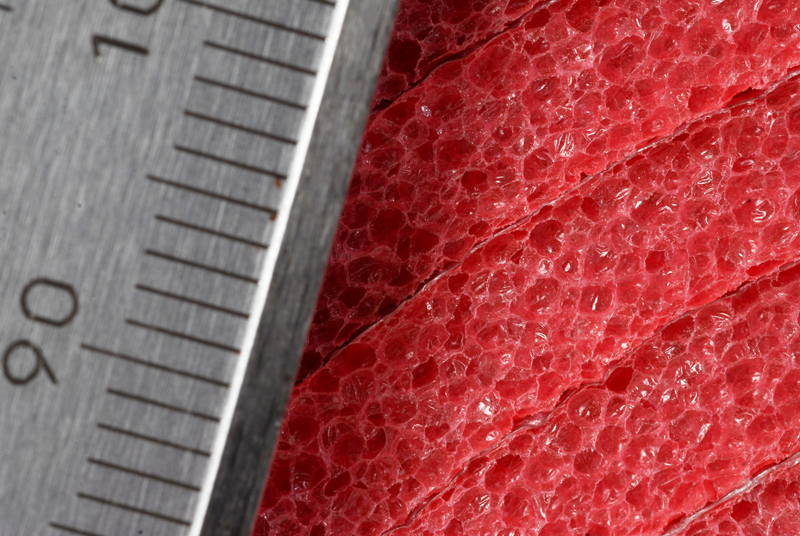
The closed cell structure of DurProx is one of its strongest hygiene related advantages, because closed cells create a compact internal architecture that resists water and moisture movement better than open and absorbent materials. In a medical product context, this matters because moisture can become a silent enemy, especially when products are stored, shipped, cleaned, or handled in environments where humidity varies. A closed cell foam layer behaves like a carefully sealed house with many tiny protected rooms, while an open and absorbent material behaves more like a sponge filled with doors and windows, and that difference can influence cleanliness, drying behavior, surface stability, and long term reliability. As a chemically cross linked polyethylene foam manufacturer and advanced PE foam specialist, Durfoam understands that hygiene performance begins at the cell level, not only at the visible surface.
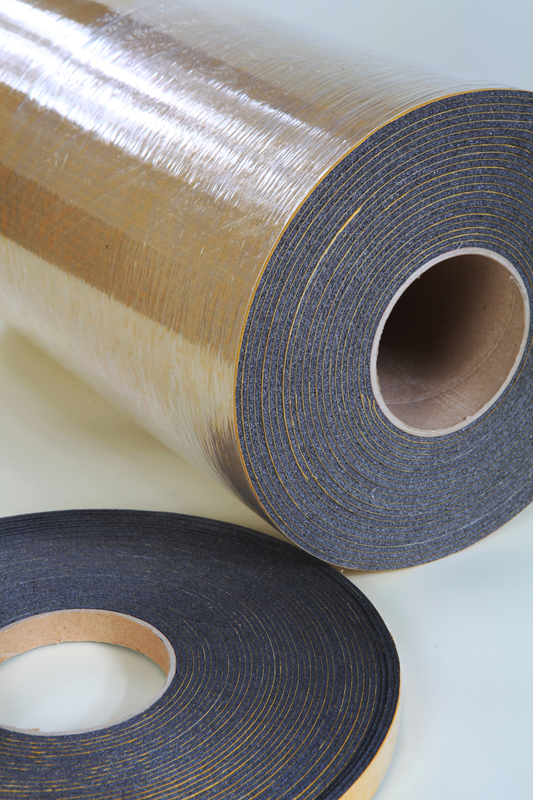
Another reason closed cell polyethylene foam is preferred in medical packaging and device protection is its ability to cushion delicate items without behaving like a dusty fiber based material. Medical foam references commonly describe closed cell polyethylene and specialty medical foams as useful for device trays, inserts, orthopedic packaging, and sterile packaging support because they can offer stable surfaces, controlled contact, moisture resistance, and energy absorbing structure. This makes DurProx suitable for situations where a product must remain organized, separated, protected, and visually clean throughout handling. When I imagine a surgical instrument placed into a custom foam insert, I do not think only about impact protection, I also think about the quiet discipline of every cavity holding the instrument neatly, like a well organized medical team where every person knows exactly where to stand 👩⚕️.
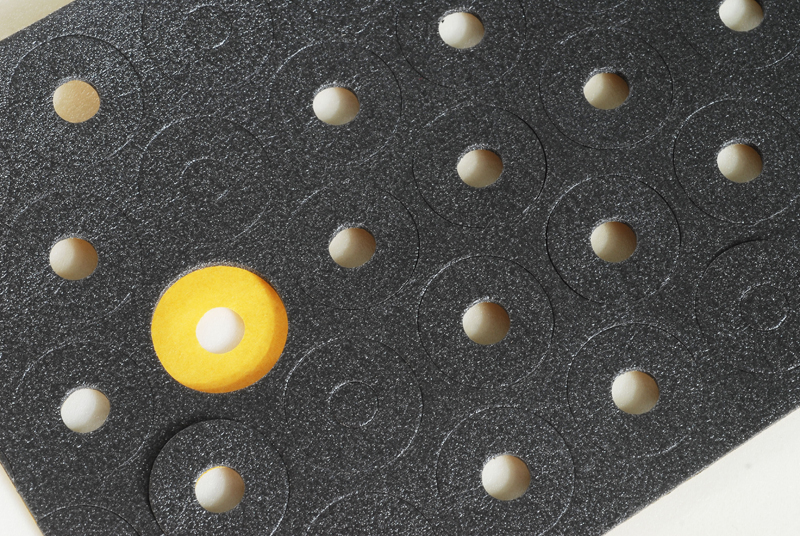
Electron Beam Process and Material Stability
One of the most interesting details about DurProx is the physical cross linking process supported by Electron Beam technology, because this production approach helps improve the physical characteristics of the foam and creates a very closed cell structure with a smooth surface. For a reader who does not work with polymers every day, I would explain cross linking as a way of strengthening the internal network of the material, almost like turning loose threads into a more organized woven fabric, so the foam becomes more stable, more resilient, and more reliable under use. This does not mean every medical application has the same requirement, but it does explain why a physically cross linked polyethylene foam manufacturer can be the right partner when the project needs higher dimensional stability, smooth finish, and a more premium material structure.
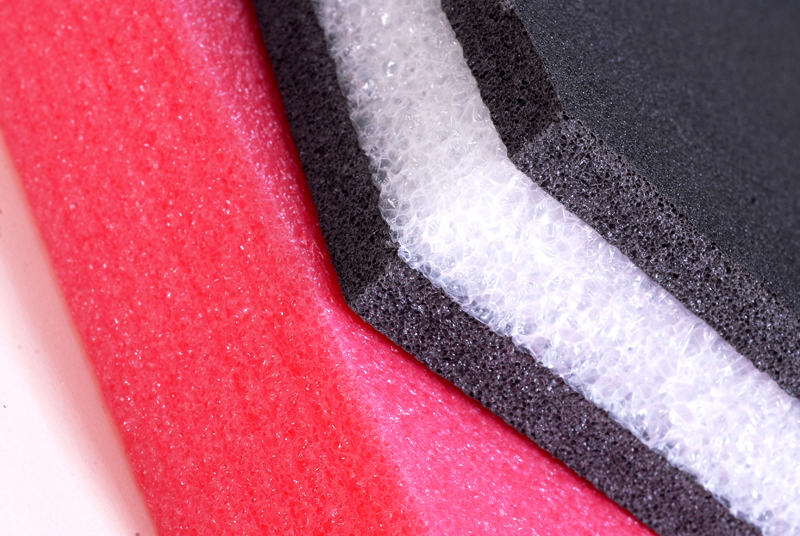
In practical terms, medical product designers may need foam sheets for trays, tubes for cushioning, laminated surfaces for special protection, die cut shapes for precise inserts, thermoformed components for custom cavities, or different colors for organization and visual control. DurProx can be produced in cut plate, roll, tube, laminated or non laminated forms, and it can also be shaped by heat, which gives designers more freedom when creating product specific layouts. A pe foam manufacturer may support broader foam requirements, but when hygiene, smoothness, stability, and resilience need to work together, DurProx provides a more refined path for healthcare applications.
Why DurProx Is Useful for Medical Packaging, Supports, and Inserts
Medical packaging is not only about placing a device inside a box; it is about keeping that device protected, organized, clean, and ready for the next stage of its journey. A surgical tool, diagnostic component, dental item, orthopedic product, wearable health device, laboratory part, or pharmaceutical accessory can all require different foam behavior, and DurProx gives project teams the chance to create inserts, separators, spacers, pads, cushions, and protective surfaces that match the geometry of the product. For example, a delicate medical instrument may need a foam cavity that holds it firmly without scratching it, while a small electronic healthcare device may need cushioning that protects it from vibration and dust during shipping. In both cases, the goal is not just to survive transport, but to arrive in a clean, stable, and confidence building condition 😊.
I once saw a medical device package where the product looked technically safe, but the insert material created a cheap and dusty feeling, and even before anyone tested the device, the packaging had already damaged trust. That moment stayed with me because hygiene perception is emotional as well as technical, and healthcare buyers, clinicians, and patients often judge the seriousness of a product by the cleanliness and order of the materials surrounding it. With the right cross linked polyethylene foam, the inside of the package can feel calm, controlled, and professional, almost like a clean examination room where everything has a purpose and nothing feels accidental.
As a physically cross linked polyethylene foam manufacturer, Durfoam supports this professional appearance with foam that has smooth surface quality and advanced dimensional stability, while the wider product knowledge behind chemically cross linked polyethylene foam manufacturer solutions also shows how different cross linked PE foam technologies can be evaluated according to the specific performance needs of a project. This matters because medical applications should not rely on guesswork; they should use materials chosen according to cleanliness, resilience, processing method, contact requirement, moisture behavior, and protection target.
DurProx Compared with Ordinary Foam Materials
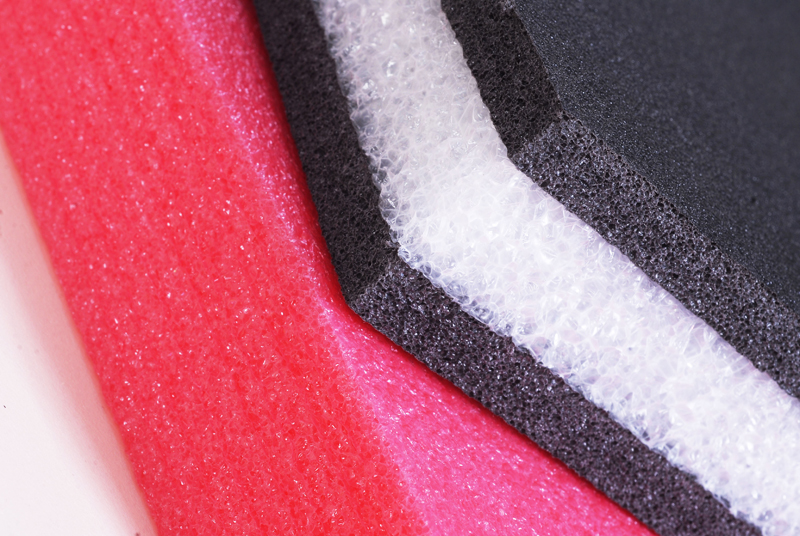
Ordinary foam materials may provide basic cushioning, but medical product applications often require a more disciplined material profile, because the consequences of poor surface quality, weak recovery, moisture absorption, or particulate release can be much more serious than in everyday packaging. DurProx stands out because it combines smooth surface appearance, closed and steady cell structure, water and moisture resistance, chemical and external condition resistance, impact recovery, elasticity, lightness, and thermoforming capability. If ordinary foam is like a casual travel blanket, DurProx is closer to a carefully designed protective medical pad, created not only to soften contact but also to preserve order, cleanliness, and confidence throughout the product journey.
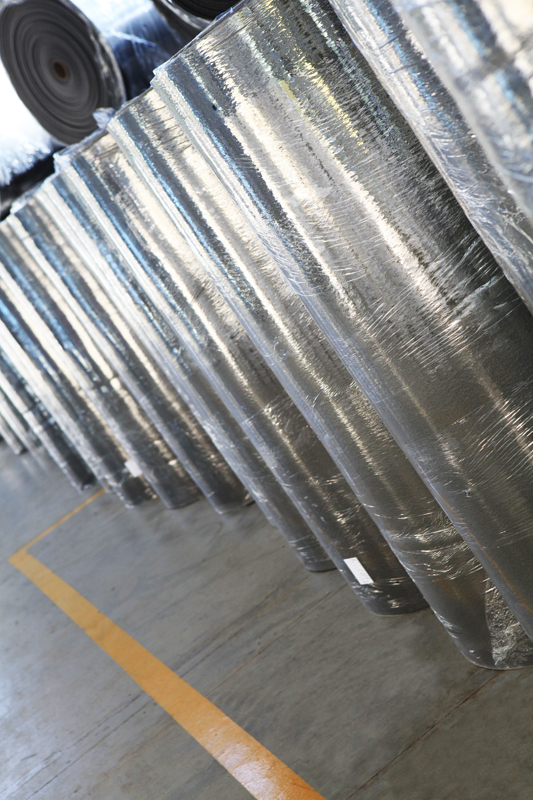
For manufacturers, this difference can reduce complaints related to surface marks, poor fit, packaging dust, weak support, and inconsistent device seating. For medical product designers, it can support more elegant product presentation, more stable inserts, and better organization inside kits or trays. For quality teams, it creates a material conversation around repeatability, moisture resistance, hygiene awareness, and documentation needs. For end users, it creates that quiet feeling of trust that appears when a product is cleanly packed, protected, and professionally presented. In my opinion, this emotional confidence is part of medical product quality, because people do not separate hygiene from trust; they experience them together.
Key Selection Points for Medical Foam Applications
When choosing a foam for medical products, I would look at surface smoothness, closed cell behavior, moisture resistance, odor, chemical resistance, impact recovery, clean cutting behavior, shaping flexibility, lamination options, density and thickness range, compatibility with the intended packaging process, and the type of contact expected between the foam and the product. I would also ask whether the foam will be used inside or outside a sterile barrier system, whether it needs to support visual organization in a tray, whether it must cushion fragile instruments, whether it will face repeated handling, and whether the product will be stored in humid or variable temperature environments. A polyethylene foam manufacturer can provide general PE foam expertise, while a cross linked solution such as DurProx helps answer higher expectation applications where clean structure and premium performance matter more.
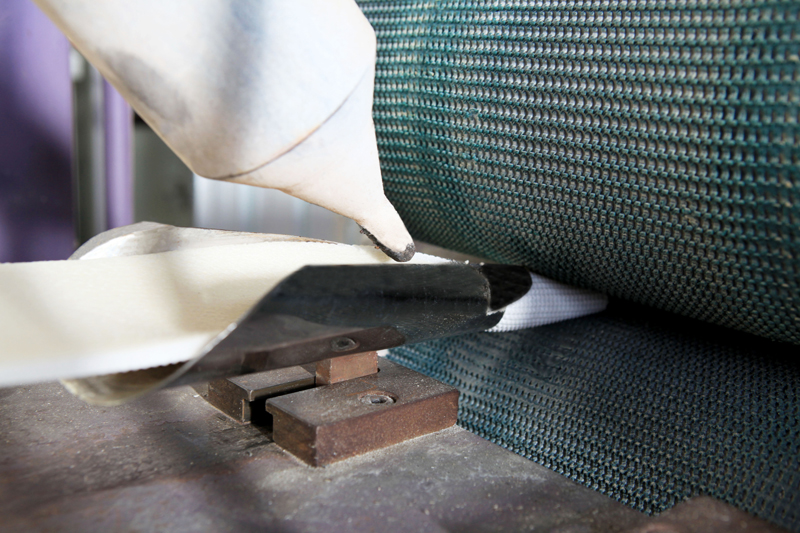
The strongest insight here is that hygienic material selection should happen early, not after the device or product design is almost complete, because foam geometry, thickness, insert layout, packaging format, cutting method, and contact behavior can all influence the final result. If a manufacturer waits until the last stage and chooses the cheapest available cushioning, the package may protect against basic impact but still fail in cleanliness perception, fit consistency, or moisture control. When DurProx is considered early, the material can become part of the product quality strategy, not only the shipping strategy. That is why I see advanced medical foam as a silent design partner, working in the background to keep valuable products safe, clean, and well presented.
Conclusion: Hygiene, Protection, and Trust Begin with the Right Foam
DurProx physically cross linked polyethylene foam is a strong choice for medical products because it combines the qualities that hygiene focused applications need most: a very closed cell structure, smooth surface, water and moisture resistance, odorless character, resistance to chemicals and external conditions, impact recovery, heat shaping capability, and production flexibility in sheet, roll, tube, laminated, or non laminated forms. In medical product environments, these qualities help protect sensitive devices, support cleaner presentation, reduce moisture related concerns, improve packaging precision, and create a more trustworthy user experience. The role of Durfoam is valuable here because medical product protection is not only about cushioning, it is about creating a material layer that feels clean, controlled, resilient, and appropriate for sensitive healthcare related use.
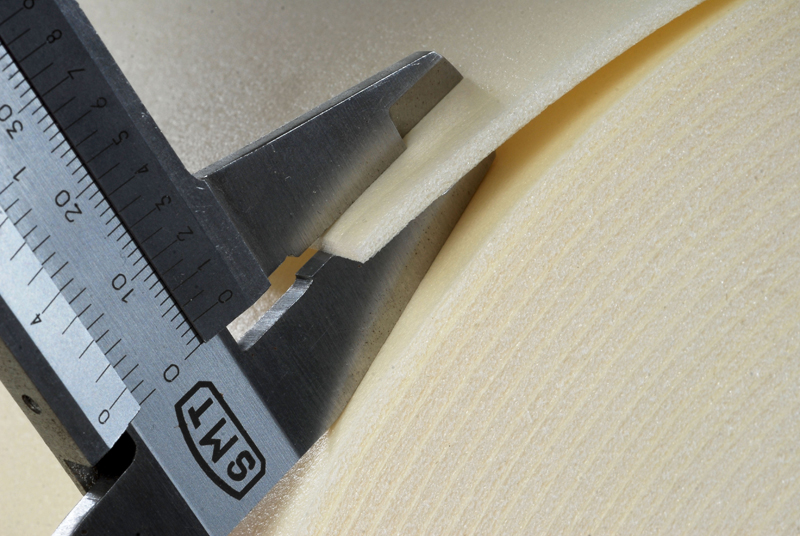
In the end, I see DurProx as a quiet hygiene shield around medical value, because it does not need to announce itself loudly; it simply protects, organizes, cushions, and supports confidence where confidence matters most. A medical product may be judged by its performance, but the first feeling of trust often begins before use, when the customer or healthcare professional sees how cleanly and safely it is presented. For manufacturers that want better medical packaging, cleaner inserts, more reliable cushioning, and stronger hygiene perception, DurProx cross linked polyethylene foam offers a thoughtful and technically meaningful solution, and with the expertise of Durfoam, that solution becomes a practical bridge between material science and human care 😊.

