


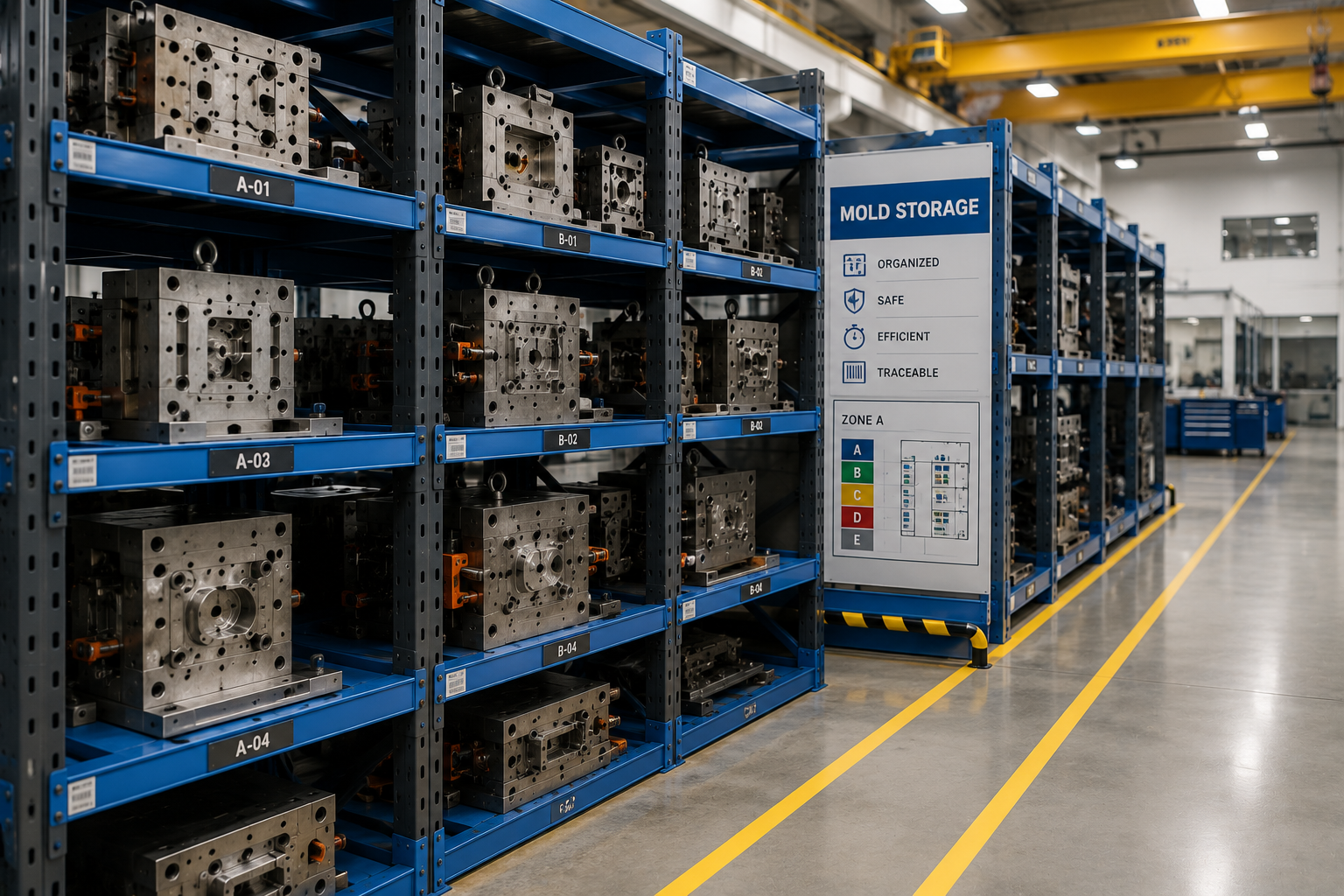
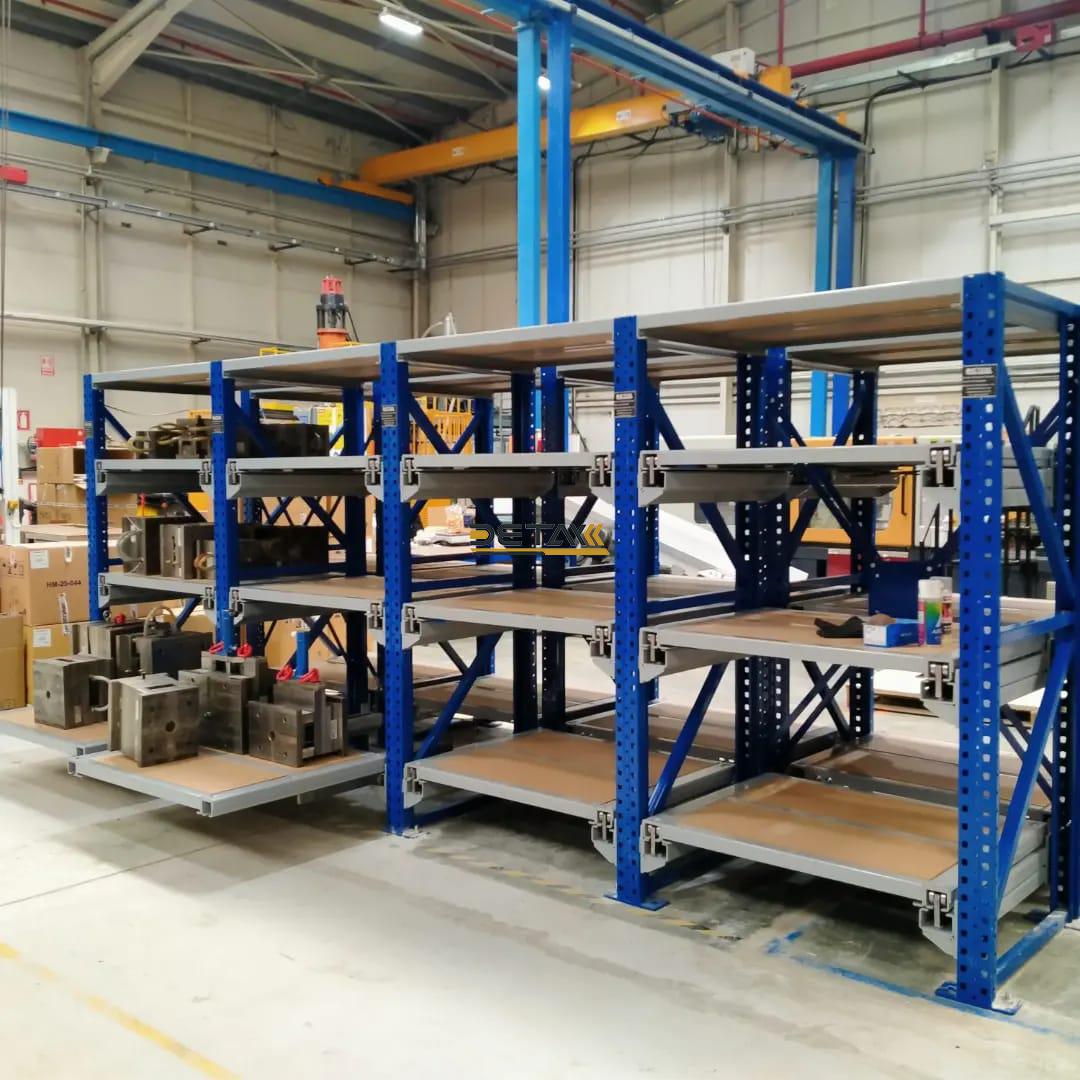
Whenever I look at a mold storage area, I can usually predict how smooth or stressful changeovers will feel long before a machine is touched, because mold storage is never just about where heavy tooling sits between jobs, it is really about how fast the right mold can be found, how safely it can be accessed, how calmly it can be prepared for transfer, and how much unnecessary motion the team must endure before production can start again 😊 In many injection molding facilities, changeover delays are not caused only by crane time or machine setup time, but by all the smaller frictions that happen before the first lift ever begins, like searching for the correct mold, clearing obstructed access, working around poor labeling, reaching deep into static shelving, and moving other items just to get one tool out. That is exactly why I think organized drawer-based storage matters so much, because when mold storage is structured properly it reduces both time loss and handling risk at the same time, and that is where Detay Industry becomes especially relevant, since its drawer mold rack systems are clearly built around safe access, organized heavy storage, and more controlled mold retrieval in demanding industrial environments.
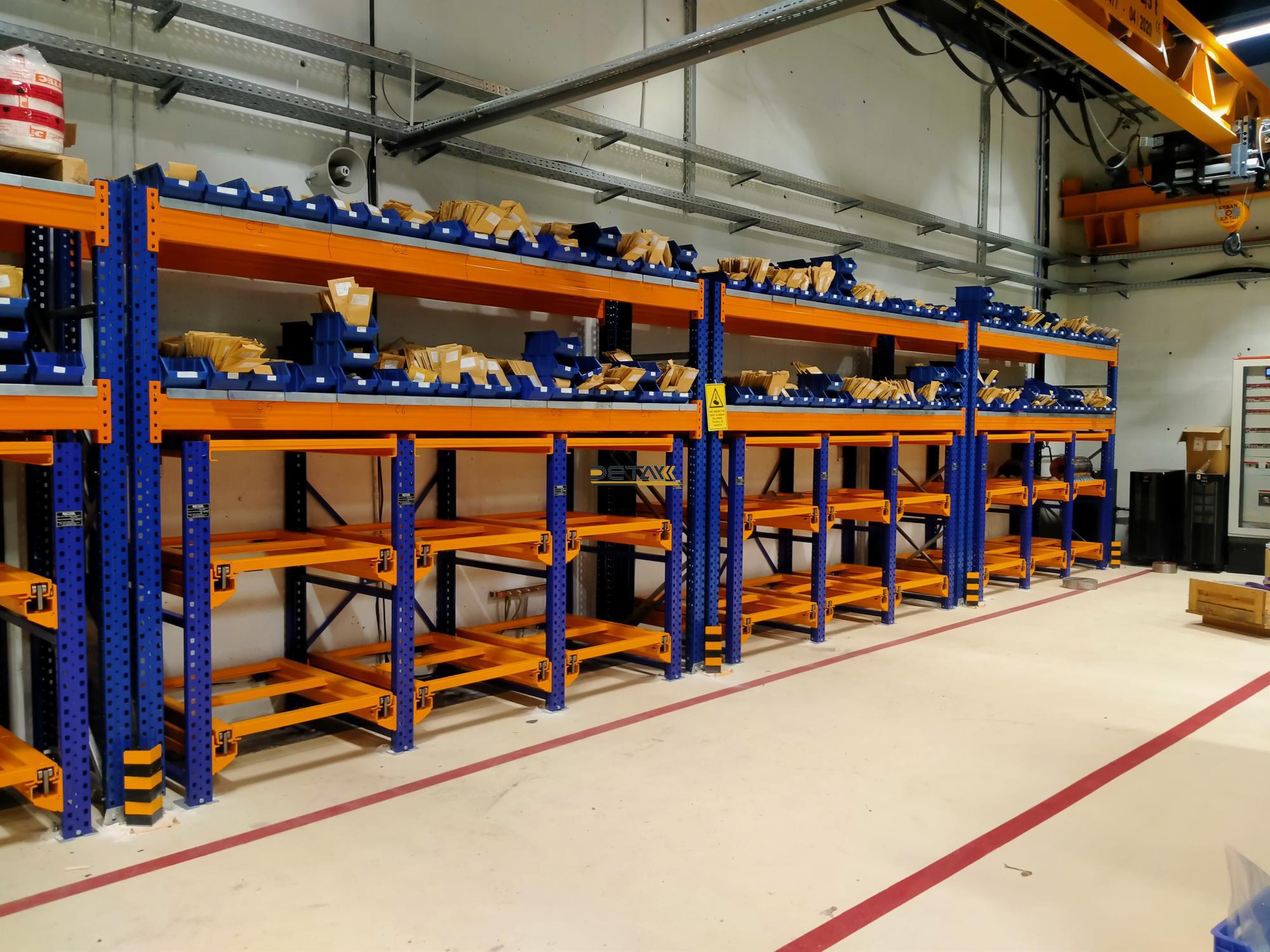
The first principle I always follow is simple, and it is this: store molds by retrieval logic, not by whatever empty space happens to exist that day, because random storage creates random changeovers, and random changeovers create stress, delay, and unnecessary risk. The fastest facilities usually group molds by machine family, product family, mold size, usage frequency, or setup similarity, so when the next job is scheduled the mold is already living in a location that makes operational sense instead of becoming a scavenger hunt. A well-planned mold rack gives this logic a physical structure, which is exactly what I like about it, because the rack starts turning storage from memory into system. Once people stop relying on tribal knowledge and start relying on visible structure, the whole area becomes calmer and much easier to work in 🌟
The second principle is to reduce deep reaching and awkward access as much as possible, because mold handling risk often begins before the actual lifting device does any work. If operators or setup personnel must bend into shelf bays, reach around obstructions, or prepare lifting points in a cramped position, the storage system is already creating physical strain and increasing the chance of mistakes. This is why drawer-based layouts are so practical. A drawer mold rack brings the mold outward in a controlled way, which improves visibility and preparation access before transfer begins. I genuinely love this difference because it feels like the storage system is finally cooperating with the team instead of challenging them. Good storage should bring the work closer to the person rather than forcing the person into the storage.
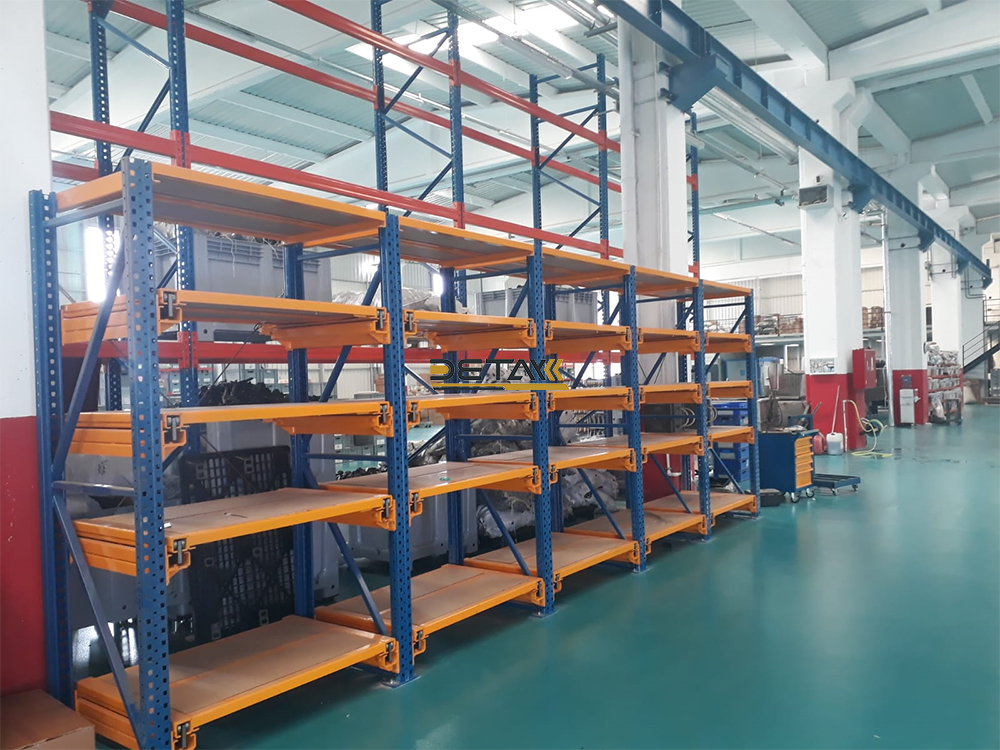
The third principle is to match the drawer extension style to the actual space and handling pattern of the facility, because not every operation needs the exact same degree of extension. A 65% opening system can be a very smart choice in tighter areas where aisle width is limited but operators still need good access to the mold, while a full-extension solution often makes more sense when maximum visibility, easier crane alignment, and complete front access are priorities during frequent changeovers. That is why I see value in understanding both the drawer rack system concept and the full-extension injection rack logic, because the right answer depends on whether your main bottleneck is compactness or access. In both cases, the big win comes from replacing static shelving with controlled, more ergonomic presentation of the mold.
| Organization Principle | Why It Matters | Changeover Benefit |
|---|---|---|
| Store by usage and machine logic | Reduces search and confusion | Faster mold selection |
| Use drawer-based access | Improves visibility and reach | Safer preparation before lifting |
| Keep heavy molds in priority zones | Supports better access and lower risk | Less awkward handling |
| Label positions clearly | Improves retrieval accuracy | Less wasted motion during setup |
| Create a prep area near storage | Supports cleaning and inspection | Smoother transfer to production |
The fourth principle is to place heavier and more frequently used molds in the most accessible zones, because not all molds deserve the same storage priority. Some are daily actors in the production schedule, while others are occasional visitors, and the layout should reflect that reality honestly. Heavier tools and faster-moving molds should live where access is safest and most efficient, ideally in positions that reduce awkward bending, overreaching, and unnecessary repositioning. I think this is one of the most overlooked ways to speed up changeovers, because companies sometimes focus only on storage capacity and forget retrieval priority. A good mold shop layout should think like a good warehouse and a good ergonomic workstation at the same time. The most important molds should not be hidden in the most inconvenient places.
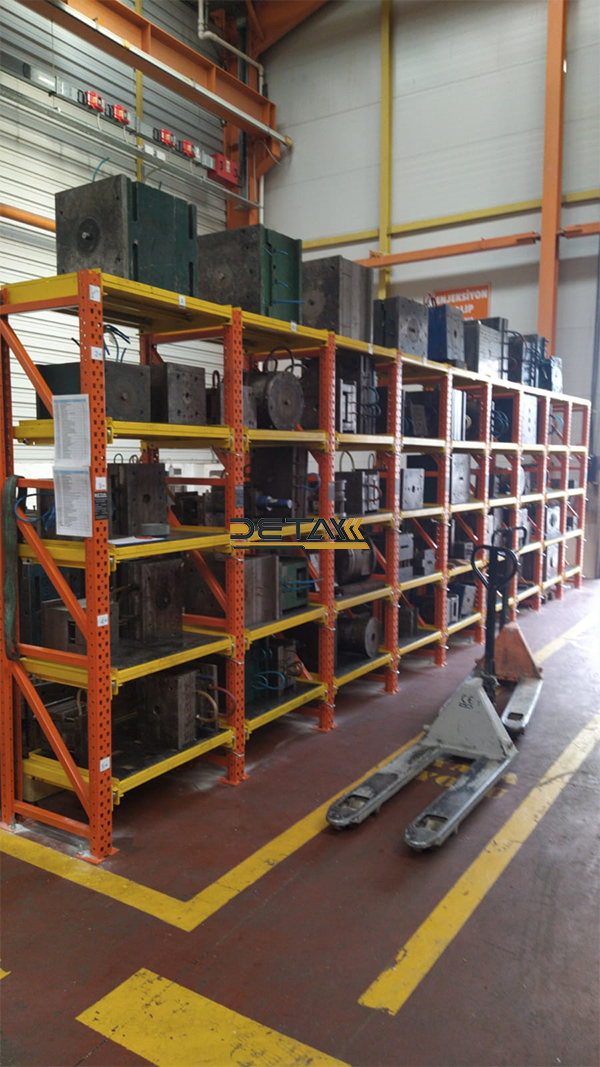
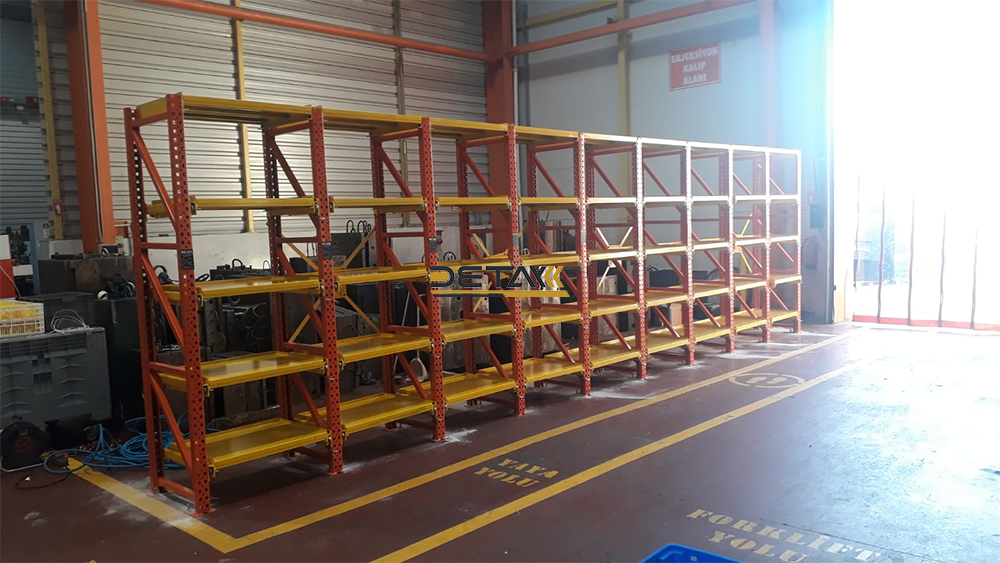
The fifth principle is clear identification, and honestly I think this alone saves more time than many people expect, because a changeover becomes slow and tense the moment someone has to stop and ask, “Is this the right mold?” Good storage should answer that question visually before anyone reaches for a chain, hook, or crane control. Shelf locations, drawer positions, mold IDs, machine compatibility, and status markers should all be visible enough that retrieval feels deliberate instead of uncertain. I always say that labels are small pieces of engineering, because they reduce cognitive load before physical work even begins. In a busy shop, less hesitation means more flow ❤️
The sixth principle is to create a preparation zone next to storage rather than forcing every cleaning, inspection, and documentation step to happen somewhere else. This is where a nearby workbench or a stable industrial table becomes extremely helpful, because once the mold comes out of the drawer it often needs a quick wipe-down, a visual inspection, a check of lifting points, or a look at maintenance notes before it goes to the machine. If the prep surface is close, the handling sequence stays compact and controlled. If it is far away, the facility creates extra transport and extra opportunity for delay. This is another reason I like the Detay Industry ecosystem, because the storage and workstation logic fit together very naturally rather than feeling like unrelated product families.
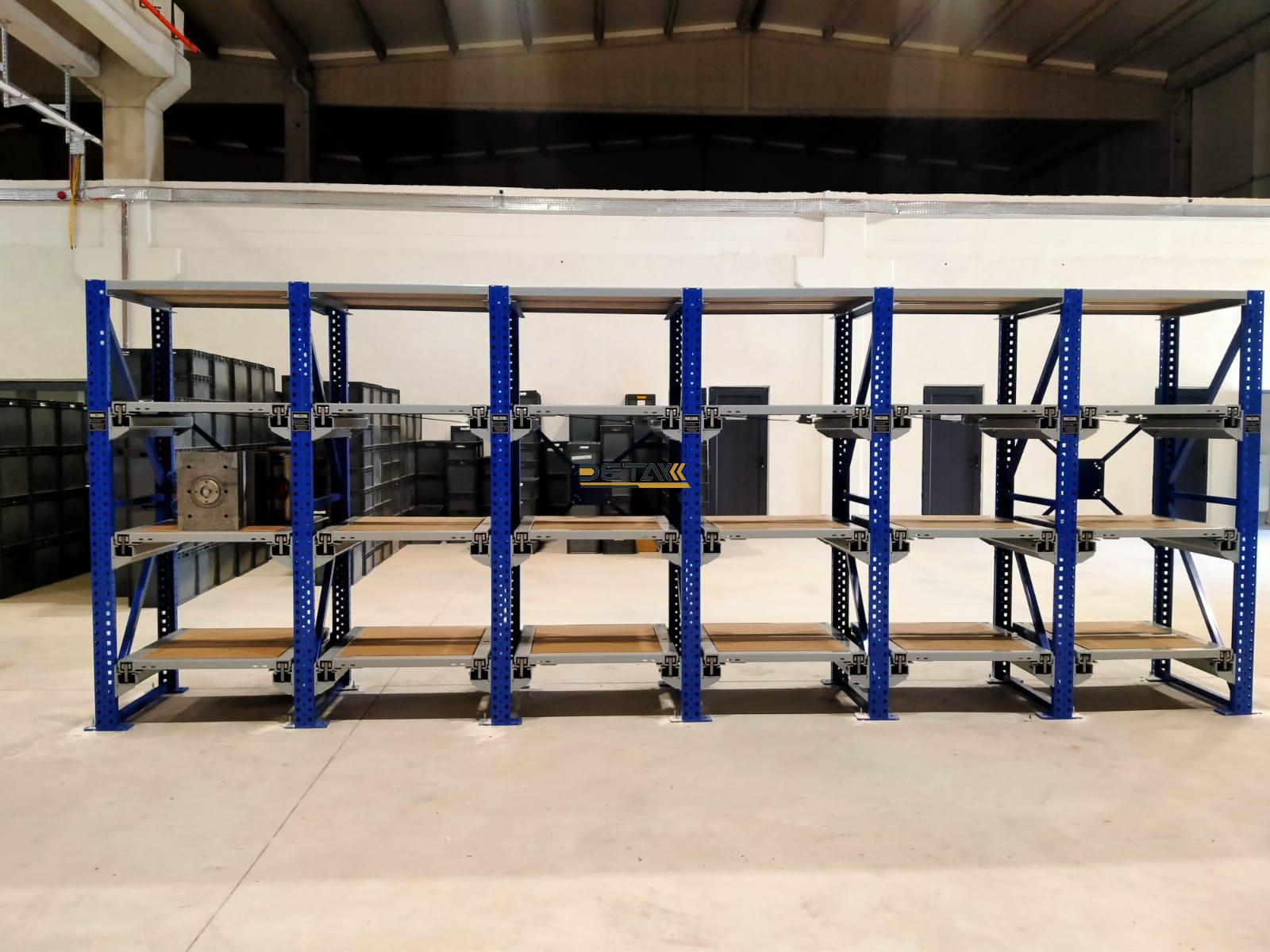
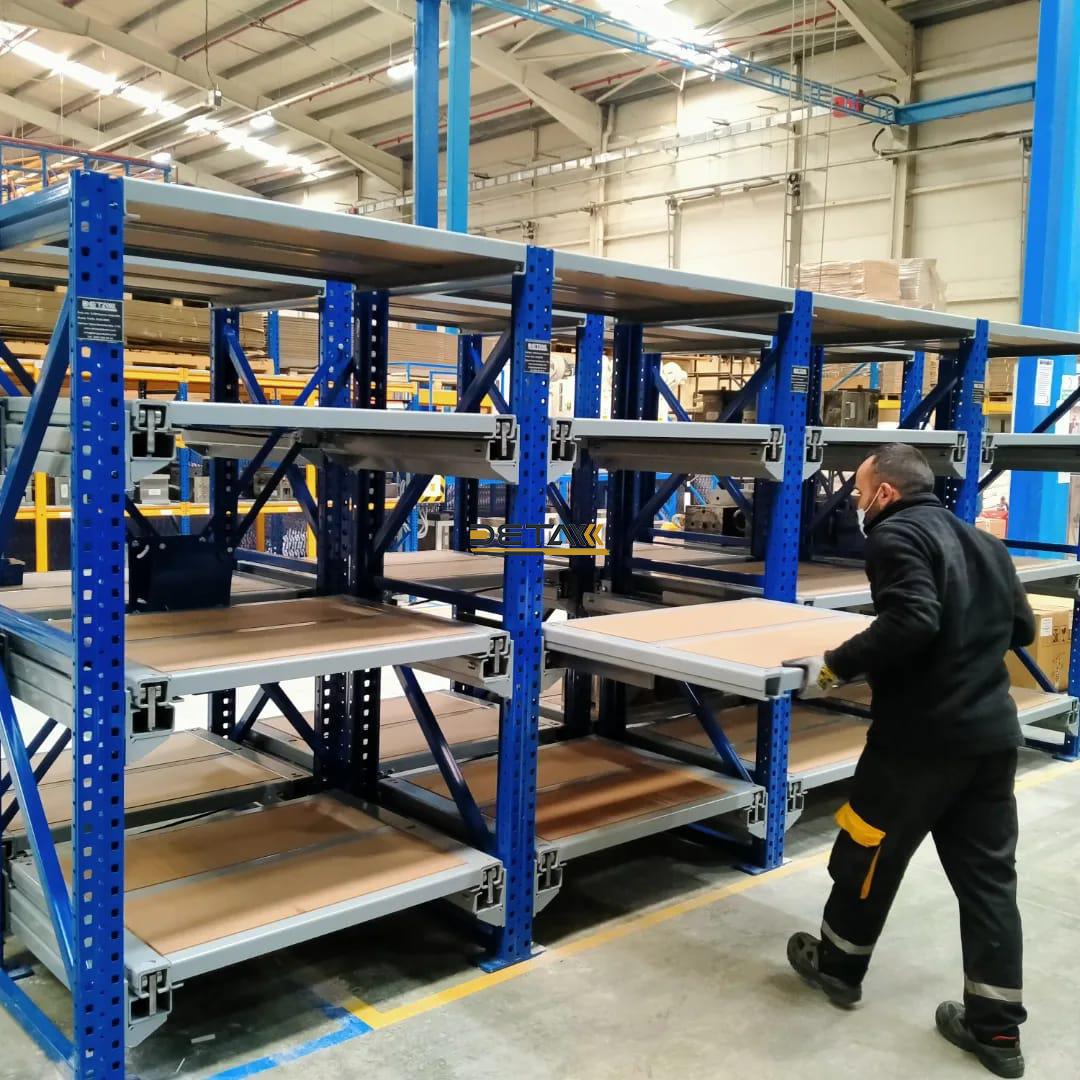
The seventh principle is to minimize unnecessary manual handling through mechanical support and better storage geometry. This does not mean only using cranes or pallet trucks, even though those matter greatly, it also means designing the storage so that the mold can be approached, inspected, and connected to lifting support without excessive body strain. When the drawer presents the mold outward and the aisle is clear, the team spends less time wrestling with access and more time executing a controlled transfer. That is one reason I believe Detay Industry solutions work so well in this area, because the drawer mechanism itself reduces the need to improvise around fixed shelves. Good storage is not passive. It actively removes friction from the job.
The eighth principle is to preserve housekeeping and aisle clarity at all times, because poor housekeeping quietly turns every changeover into a more awkward and more hazardous event. Loose materials, forgotten pallets, random accessories, or badly staged molds near the retrieval zone make access slower and body posture worse. I think this is where discipline matters most, because even the best rack systems can be defeated by clutter around them. A mold area should feel like a controlled traffic space, not a storage overflow zone. Once the floor becomes part of the storage system, the whole sequence begins losing clarity.
Let me give a very practical example, because examples make all of this much easier to picture. Imagine one facility where molds are stored on fixed levels with minimal labeling, mixed by size, and packed close together, so every changeover begins with searching, then clearing access, then trying to align a lift in a partially obstructed position. Now imagine a second facility where molds are grouped by machine family, stored in drawer positions with visible IDs, frequent-use molds placed in priority zones, and a nearby prep station ready for cleaning and checks. In the first case, changeover feels like a small battle before the real work even starts. In the second, the mold comes forward, the team sees it clearly, prepares it calmly, and moves it with less hesitation 😊 The difference is not magical. It is simply organized storage doing its job.
The ninth principle is to separate storage strategy from simple storage quantity. I have seen facilities add more rack space without actually improving changeover performance, because more capacity alone does not solve poor flow. What matters is whether the storage sequence supports the next action, and that is why features like pull-out access, locking security, predictable drawer movement, and layout compatibility with lifting equipment matter so much more than raw cubic capacity. A smart storage area does not just hold more molds. It helps the right mold move faster with less risk.
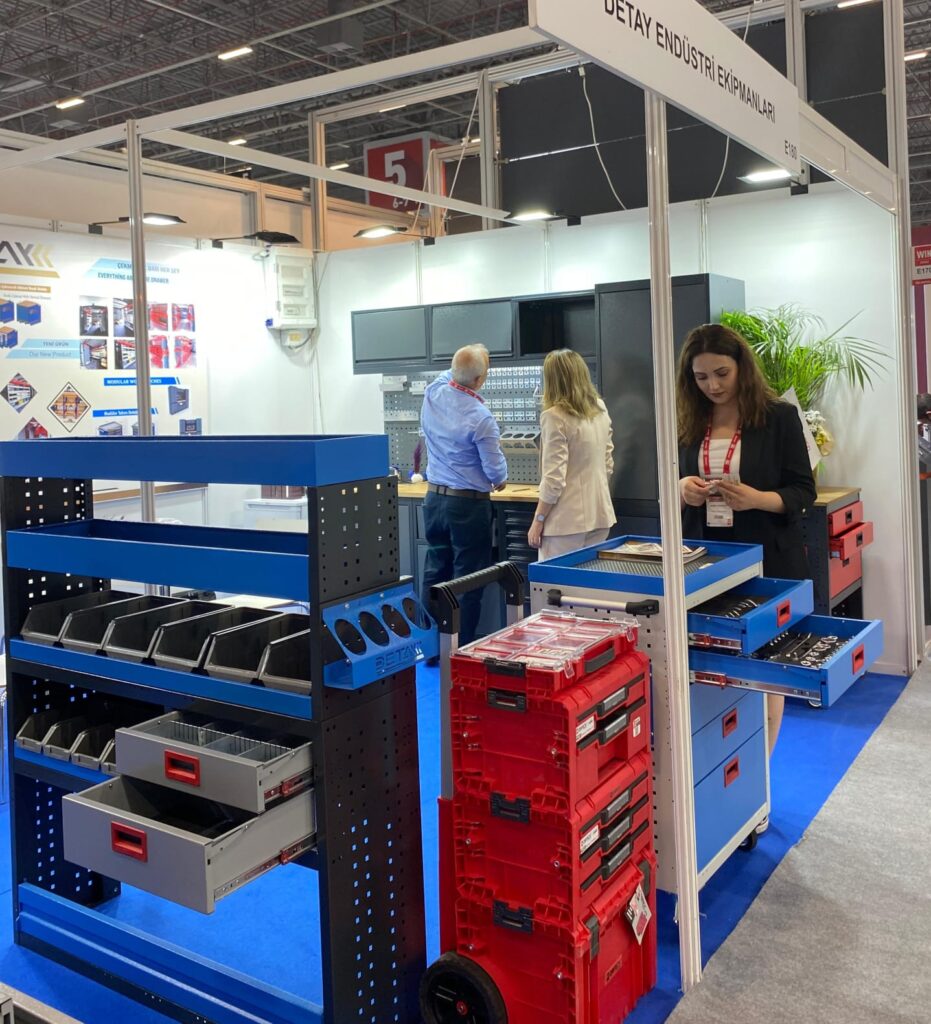
The tenth principle is to think of mold storage as part of the changeover system, not as a separate warehouse issue, because once storage is treated as an upstream element of setup performance, better decisions start happening naturally. Teams begin asking the right questions. Can we reach the mold comfortably, can we inspect it quickly, can we connect lifting support cleanly, can we keep the mold close to the body or to the handling path, can we avoid awkward motion, and can we return it just as predictably after the run ends? Those are excellent questions, and whenever a company starts asking them, the storage area usually improves fast. That is exactly why I believe Detay Industry deserves attention here, because the company’s mold rack solutions are clearly designed with access, sequence, and heavy-duty control in mind rather than just passive storage volume.
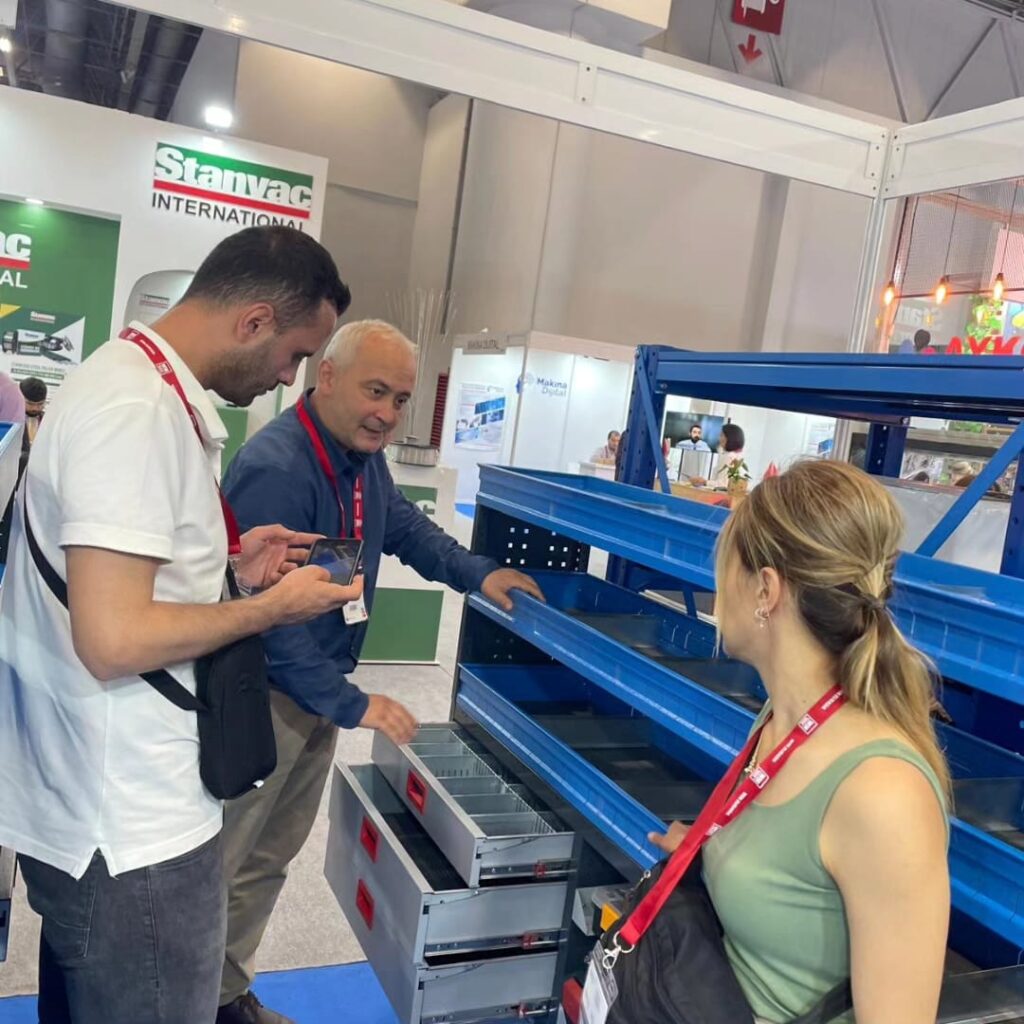
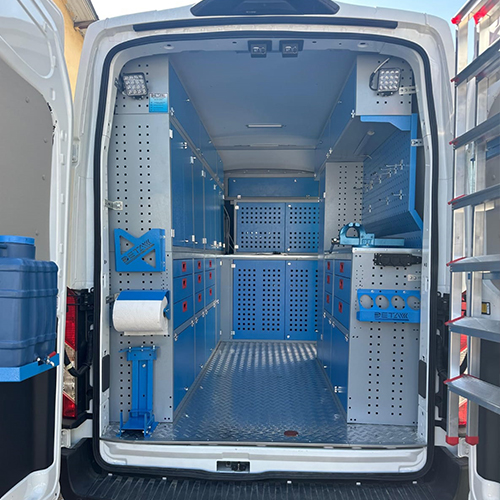
I also think it helps to borrow organization logic from other industrial storage systems, because the same discipline that makes an in-vehicle cabinet system effective in a mobile service unit or an in-vehicle equipment rack useful for controlled access also works beautifully in mold storage. The deeper principle is always the same, which is that order reduces handling, and reduced handling lowers both time waste and risk. Once that idea becomes the design center, the storage area starts supporting the process instead of merely occupying space.
In the end, organizing mold storage for faster changeovers and less handling risk really comes down to one honest idea, which is that the mold should be easy to find, easy to reach, easy to inspect, and easy to transfer without forcing people into awkward movement or rushed improvisation. When storage is grouped logically, drawers present the mold outward, labels guide retrieval, heavy tools stay in priority zones, and a nearby prep surface supports the next step, changeovers become smoother and the whole area feels safer and more professional. That is why I see Detay Industry as such a strong fit for facilities that want mold storage to actively improve performance rather than simply hold tooling between jobs 🚀

