


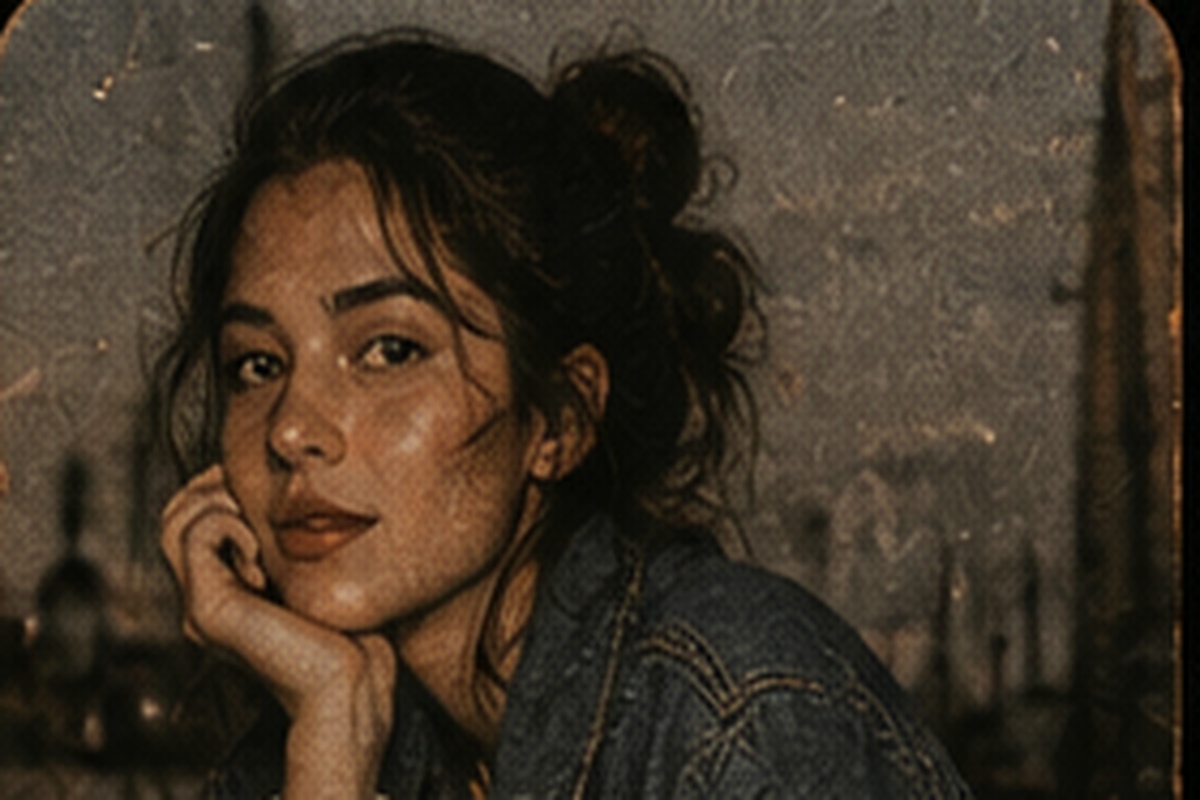
Although many creators search for one effect called “Vintage,” the term actually describes a broad family of visual styles rather than a single appearance. A 1970s inspired film look may use warm brown tones, visible grain, soft highlights, and faded black areas, while a 1990s camcorder look may include scan lines, date stamps, color bleeding, and VHS noise. A vintage black and white video may rely on monochromatic grain and strong shadows, whereas a faded instant camera look may use creamy highlights, lower saturation, and gentle softness. Understanding which period and visual language you want to imitate will produce a much stronger result than selecting the first retro filter you find.
You can create a vintage effect directly inside TikTok with filters and effects, or you can prepare a more detailed version in CapCut, Adobe Premiere, DaVinci Resolve, or another video editor before uploading it. TikTok explains in its official effects and filters guidance that creators can use effects to customize videos and apply filters from the recording interface, although the exact controls, categories, and available effects may vary according to account, country, device, and application version.
Definitions: What Is the Vintage Effect? 🎞️
A vintage effect is a collection of visual and audio adjustments designed to make modern content resemble photographs, films, television recordings, or home videos from an earlier period. The word vintage does not refer to one exact year or technology, which means creators can interpret it through several visual traditions, including silent film, 8mm home movies, 16mm documentary footage, faded color photography, Super 8 film, 1970s cinema, 1980s video, 1990s VHS recordings, disposable cameras, instant photography, or early digital cameras.
The effect usually works by removing some of the characteristics that make smartphone footage look unmistakably modern. Modern cameras often produce strong sharpness, detailed shadows, accurate white balance, vivid saturation, smooth stabilization, and clean audio. Vintage editing reduces this technical perfection by introducing texture, softness, limited color range, irregular movement, faded contrast, and occasional visual damage. The result should feel intentionally aged rather than accidentally poor in quality.
A vintage effect is not simply an orange filter. Warm color can contribute to nostalgia, but realistic older footage also contained cool shadows, green casts, faded blues, strong reds, neutral skin tones, black and white imagery, and many forms of exposure variation. Applying a strong yellow or brown filter to every scene may create an obvious social media preset rather than a believable historical or cinematic appearance.
It is also important to distinguish intentional film grain from uncontrolled digital noise. Grain imitates the organic texture associated with photographic film, while digital noise often appears when a phone records in insufficient light. Film grain can make an image feel tactile and cinematic, but uncontrolled noise can produce colored blocks, muddy skin, broken shadows, and poor compression. A professional vintage edit manages the original footage first and then adds deliberate texture carefully.
Think of the vintage effect as the visual equivalent of an old leather notebook 📖. The notebook may contain faded edges, small marks, uneven pages, and signs of use, but those imperfections create character because they support the object rather than destroying it. In the same way, grain, fading, softness, and flicker should add atmosphere while keeping the subject, expression, product, and story clear.
Why Is the Vintage Effect Important on TikTok?
TikTok users move rapidly through videos that often share similar visual characteristics, including vertical framing, bright lighting, sharp detail, bold captions, smooth transitions, and highly saturated colors. A vintage video can interrupt this familiar pattern by introducing a softer, quieter, and more textured visual experience, helping the content stand out without depending entirely on loud graphics or rapid editing 👀.
The effect can also create an immediate emotional atmosphere. People frequently associate faded colors, grain, light leaks, old dates, and handheld movement with family albums, childhood recordings, classic cinema, music videos, holidays, weddings, school events, printed photographs, and memories that have survived over time. When recent footage uses these visual signals, viewers may interpret it as more personal, reflective, intimate, or emotionally valuable.
This makes vintage styling useful for musicians, photographers, filmmakers, fashion creators, cafés, restaurants, wedding professionals, travel accounts, artists, florists, interior designers, vintage shops, beauty creators, lifestyle brands, event organizers, and personal storytellers. A musician can make a performance resemble an archive recording, a clothing brand can present a retro inspired collection, and a café can make an ordinary evening feel like a scene from a forgotten film ☕.
Vintage effects can also create visual consistency when clips come from different phones, locations, or lighting conditions. Applying one restrained color direction and texture across the complete edit can make the separate scenes feel as though they belong to the same story. However, the effect should never become a substitute for meaningful footage. Nostalgia can strengthen a story, but it cannot create one when the video lacks a clear subject, progression, emotion, or purpose.
Popular Vintage Styles for TikTok
| Vintage Style | Main Characteristics | Best Content Types | Recommended Intensity |
|---|---|---|---|
| 1970s film | Warm tones, faded blacks, soft highlights, visible grain | Fashion, travel, cafés, interiors, and music | Low to medium |
| 8mm home movie | Coarse grain, flicker, frame movement, dust, and warmth | Family memories, weddings, holidays, and childhood themes | Medium |
| 16mm cinema | Organic texture, restrained color, moderate grain, soft detail | Music videos, documentaries, travel, and artistic storytelling | Low to medium |
| 1990s VHS | Scan lines, color bleeding, date stamps, static, and tape noise | Streetwear, parties, concerts, and nostalgic lifestyle videos | Medium |
| Vintage black and white | Monochrome color, film grain, deep shadows, and soft highlights | Portraits, poetry, music, interviews, and emotional stories | Low to medium |
| Faded photo look | Muted colors, gentle warmth, low contrast, and fine grain | Photo posts, fashion, food, beauty, and personal memories | Low |
| Distressed old film | Scratches, dust, film burns, flicker, and damaged frames | Horror, history, theatre, and experimental projects | Medium |
How to Find a Vintage Effect on TikTok
The fastest method is to search TikTok’s Effects library before recording. Open TikTok, tap the Add post button, and select the camera screen. Tap Effects near the recording controls, then browse the available categories or use the search function when it appears in your interface.
Search with several related expressions because the effect you want may not use the exact word “Vintage.” Useful keywords include vintage, retro, old film, film camera, 8mm, 16mm, 1970s, 1980s, 1990s, VHS, analog, disposable camera, film grain, old movie, and camcorder.
Preview several effects before recording because one vintage effect may only modify color, while another may add grain, dust, scratches, a date stamp, flicker, blur, facial adjustments, or a completely different frame shape. Select the effect that supports your content rather than automatically choosing the one with the strongest visible damage.
Step by Step TikTok Method
- Open the TikTok application.
- Tap the Add post button at the bottom of the screen.
- Tap Effects near the recording controls.
- Search for vintage, retro, old film, analog, 8mm, or VHS.
- Preview several effects under your actual recording light.
- Save suitable effects to your Favorites when that option is available.
- Record a short test clip before creating the complete video.
- Review skin tones, clothing, products, shadows, highlights, and movement.
- Record the final footage in several short clips.
- Trim unnecessary moments at the beginning and end of each clip.
- Add a suitable filter, sound, text, caption, or sticker.
- Review the complete video at normal phone size before publishing.
TikTok’s official post creation guide explains that creators can record or upload content and continue editing it before publishing. The names and positions of specific buttons can change as the application develops, so searching with several keywords is more reliable than depending on one fixed effect name.
How to Create a Vintage Look with TikTok Filters
You can build a convincing vintage appearance even when you cannot find a suitable effect. Record or upload your video, then open TikTok’s Filters section. Look for a filter that reduces modern digital brightness, fades black areas, softens contrast, adds gentle warmth, creates muted colors, or introduces a subtle color cast.
Do not accept the default intensity automatically. A filter that appears overly yellow, green, dark, or faded at full strength may look much more believable when reduced. Preserve natural skin tones, readable product colors, and visible background details. A successful vintage video should still communicate clearly even when its visual style is intentionally imperfect.
After selecting the filter, use TikTok’s text tool to add a small date, location, or short title when the concept requires it. A simple date can support a home movie or camcorder style, but it may feel unnecessary in a cinematic 1970s inspired edit. Every visual element should belong to the same period and style.
You can also create a vintage rhythm through clip length and movement. Instead of using a dramatic transition between every scene, allow some clips to remain on screen long enough for viewers to notice expressions, textures, and environmental details. Brief flashes, film burns, static, or frame jumps work best when used selectively rather than repeatedly.
How to Record Footage That Naturally Looks Vintage
The original footage has a major influence on the final result. A filter can modify color and texture, but it cannot completely change the emotional character of a scene. Record places, people, objects, and movements that naturally support the chosen era or nostalgic mood.
Suitable subjects may include friends laughing, family meals, old buildings, cafés, record stores, vintage cars, concerts, markets, streetlights, printed photographs, handwritten letters, flowers, books, seaside walks, birthday tables, hotel corridors, train journeys, clothing details, and ordinary moments between people. Modern objects can still appear, but the composition and styling should make the visual decision feel intentional.
Capture a combination of wide, medium, and close shots. Begin with a wide view that introduces the environment, continue with a medium shot showing the person or activity, and add close details such as hands, fabric, food, jewellery, shoes, reflections, facial expressions, signs, or objects. This variety creates a visual story and prevents the effect from carrying the entire video by itself.
Use gentle handheld movement rather than perfect stabilization when the style calls for a personal or documentary feeling. Hold the phone with both hands, move slowly, and allow small natural imperfections without creating uncontrolled shaking. A vintage camera may have been less stable than a modern phone, but the original operator still attempted to record the subject clearly 📹.
Good lighting remains essential. Extremely dark smartphone footage can contain uncontrolled digital noise that becomes muddy when additional grain is applied. Use window light, sunset, cloudy outdoor light, lamps, shop lighting, streetlights, candles, or soft indirect light to preserve readable subjects and smooth tonal transitions.
How to Create the Vintage Effect in CapCut
CapCut provides more control over grain, dust, scratches, flicker, light leaks, color grading, blur, overlays, opacity, and transition timing. Its old film overlay guide explains that aged film treatments commonly combine grain, scratches, flicker, discoloration, dust, film burns, and light leaks, while allowing creators to adjust their intensity according to the desired result.
CapCut Vintage Editing Workflow
- Open CapCut and create a new vertical project.
- Import your footage and arrange the clips on the timeline.
- Trim mistakes, repeated scenes, and unnecessary pauses.
- Correct basic brightness and white balance.
- Open the Filters section and search for film, retro, vintage, or analog styles.
- Reduce the filter intensity until colors remain believable.
- Open Video Effects and search for grain, old film, dust, flicker, or scratches.
- Apply a subtle texture across the main footage.
- Add stronger scratches, burns, or flicker only at selected moments.
- Reduce excessive sharpness and contrast.
- Lift dark shadow areas and soften bright highlights.
- Add captions, music, natural audio, and restrained transitions.
- Review the finished edit at normal phone size.
- Export the video once and upload it to TikTok.
CapCut’s vintage camera filter guide describes several retro approaches, including faded photography, film inspired texture, VHS treatments, and camcorder effects. Use these tools as starting points rather than final answers, because personal adjustments to color, grain, timing, and audio make the finished TikTok feel more original.
How to Use an Old Film Overlay
An old film overlay is a separate video containing animated grain, dust, scratches, light leaks, flicker, film burns, frame movement, or other imperfections. You place it above your original footage in a timeline editor and blend the two layers together.
When an overlay has a black background with bright dust or scratches, a lightening blend mode such as Screen may remove much of the black while preserving the visible texture. A gray overlay may work better with Overlay or Soft Light. The names of these blending options can differ between editors, so preview several modes and select the one that keeps the main subject clear.
Reduce the overlay opacity until the texture feels integrated. Viewers should notice the person, product, location, or action before noticing the scratches. If the overlay becomes the most visually dominant element, reduce its intensity or use it for a shorter period.
Use properly licensed overlays for brand content, advertisements, sponsored videos, client work, or monetized projects. The ability to download a texture does not automatically provide permission for every commercial use.
A Practical Vintage Color Grading Recipe 🎨
No universal numerical setting works for every TikTok because cameras, skin tones, locations, lighting, clothing, and moods differ. However, a restrained vintage grade usually begins by lowering modern digital contrast slightly, lifting the deepest black areas, reducing harsh highlights, lowering saturation modestly, and introducing a gentle warm or cool color bias.
For a warm 1970s style, use faded black areas, creamy highlights, modest saturation, warm skin tones, and fine grain. For a cooler documentary look, use restrained color, slightly green or blue shadows, moderate grain, and minimal light leaks. For a 1990s camcorder effect, add scan lines, color bleeding, electronic noise, a date stamp, and slight softness. For a vintage black and white effect, preserve detail across the face and background before adding monochromatic grain.
Make one adjustment at a time. If you change exposure, contrast, temperature, saturation, sharpness, blur, grain, scratches, flicker, and vignette simultaneously, you may lose track of which decision improves the footage. Compare the edited version with the original regularly and remove settings that do not strengthen the intended mood.
How to Add Vintage Audio 🎵
Audio can make the visual effect feel more convincing. A video that looks like old film but contains extremely clean, bright, modern audio may still work, but subtle sound treatment can connect the complete experience more effectively.
For film inspired footage, consider adding quiet projector noise, room tone, tape hiss, vinyl crackle, camera clicks, or environmental sounds. Lower these elements beneath the primary music or narration so they create atmosphere without becoming distracting. Dialogue and important information should always remain understandable.
Music selection should match the emotional intention rather than the filter alone. Retro pop, jazz, soul, acoustic music, alternative rock, dreamy electronic tracks, piano, orchestral recordings, and nostalgic instrumental music can all work, depending on the content. A relaxed travel diary may need soft music, while a streetwear video may benefit from a stronger rhythm.
Vintage Effect Workflow Diagram
Choose a Period and Visual Style
              ↓
Plan the Subject and Location
              ↓
Record Short Vertical Clips
              ↓
Select and Arrange the Best Footage
              ↓
Correct Exposure and White Balance
              ↓
Apply a Restrained Vintage Color Grade
              ↓
Add Grain, Dust, or VHS Texture
              ↓
Use Flicker and Scratches Selectively
              ↓
Add Music and Subtle Vintage Audio
              ↓
Review at Normal Phone Size
              ↓
Export Once and Publish on TikTok
Practical Vintage TikTok Examples
Example One: A Vintage Café Video ☕
Record the exterior sign, door opening, coffee preparation, steam, desserts, wooden tables, window reflections, a customer reading, and the street outside during the evening. Use warm faded color, fine grain, soft highlights, and restrained contrast. Add quiet room sound beneath the music so the video feels like an observed moment rather than a completely manufactured advertisement.
Example Two: A Retro Fashion Edit 👗
Capture a full outfit, shoes, accessories, fabric details, makeup, and a short walking scene. Choose a vintage treatment that matches the clothing period, preserve accurate product colors, and avoid grain that hides the material. Use one or two light leaks between scenes instead of placing a dramatic transition after every shot.
Example Three: A Family Memory Reel 💛
Record or collect clips from a birthday, picnic, family meal, holiday, or ordinary day at home. Keep spontaneous laughter, imperfect framing, children moving unexpectedly, and small personal details. Use warm home movie color, moderate grain, gentle flicker, and a simple date at the beginning.
Example Four: A Music Performance 🎸
Record a singer or musician in a bedroom, rehearsal room, garage, studio, or small venue. Use 16mm inspired grain, soft contrast, restrained saturation, and one or two brief exposure flickers. Keep the face and instrument clear while allowing the surroundings to retain atmosphere.
Example Five: A Vintage Travel Diary 🌍
Combine transportation, architecture, street details, food, people, signs, hotel scenes, landscape, and sunset. Use one consistent color direction across every location so the clips feel like pages from the same visual journal. Allow some scenes to remain longer than one second so the viewer can appreciate the destination.
An Illustrative Personal Editing Experience
Illustrative first person example: “When I first tried to create a vintage TikTok, I added a warm filter, heavy grain, scratches, dust, a vignette, flicker, light leaks, camera shake, a date stamp, and projector noise to every second of the video. Each effect looked interesting when I tested it separately, but the finished edit felt crowded and the people became difficult to see. I removed most of the layers, kept a restrained color grade and fine grain, and used one light leak near the beginning. The simpler version looked older and more professional because the story finally had room to breathe.”
This experience illustrates one of the most important principles in vintage editing: authenticity usually comes from controlled imperfection rather than maximum damage. Real old footage did not display every possible flaw during every frame. Long sections often remained stable, which made an occasional scratch, flicker, or exposure change feel believable.
How the Vintage Effect Creates Emotional Connection
Vintage effects often create emotional responses because texture, faded color, and imperfect movement remind viewers of physical photographs, family recordings, childhood television, classic films, music from earlier years, and moments that feel distant. The effect gives recent footage the visual language of memory.
Consider the difference between finding a perfectly sharp image in a camera roll and discovering a faded photograph inside an old book. The digital image may contain more technical detail, but the physical photograph often feels more valuable because it appears to have travelled through time. Vintage editing recreates part of that sensation by suggesting history, fragility, and preservation.
The effect cannot manufacture genuine emotion, but it can give real emotion more room to be noticed. Keep spontaneous laughter, wind moving hair, hands entering the frame, someone looking away from the camera, an imperfect dance movement, a quiet street, or a short pause before a smile. These small details often carry more emotional weight than a perfectly staged pose.
Common Vintage Effect Mistakes
Using Too Many Effects
Grain, scratches, dust, flicker, light leaks, blur, camera shake, faded color, date stamps, and VHS distortion can overwhelm the subject when applied simultaneously. Select only the elements that belong to your chosen style.
Using Maximum Filter Intensity
Strong presets may turn skin orange, shadows green, white clothing yellow, and products inaccurate. Reduce the intensity until the treatment feels integrated.
Making the Video Too Dark
Old footage was not automatically underexposed. Keep faces, products, food, clothing, and important environments visible.
Confusing Film Grain with Compression
Intentional grain should appear controlled and consistent, while compression creates blocks, smearing, and broken details. Start with a clear source file and export only once.
Using Constant Scratches and Flicker
Continuous damage quickly becomes distracting. Keep a subtle grain texture across the video and use stronger imperfections at selected moments.
Applying the Same Vintage Style to Every Subject
A warm 1970s filter may suit a café but conflict with a 1990s streetwear concept. Choose the historical and visual language according to the content.
Ignoring Audio
Strong projector noise or tape hiss can make speech difficult to understand. Keep atmospheric sounds beneath the main audio.
Using Vintage Effects Without a Story
A filter cannot create meaning alone. Build the TikTok around a person, place, event, transformation, activity, memory, or clear emotional progression.
People Also Asked
Does TikTok have a built in vintage effect?
TikTok provides searchable effects and adjustable filters, but the available names and selections can vary between accounts. Search for vintage, retro, old film, analog, 8mm, 16mm, VHS, and film camera.
Why can I not find the vintage filter another creator used?
The creator may have used CapCut, another editing application, a private preset, or an effect that has been renamed or removed. The effect may also be unavailable in your region or device version.
Can I create a vintage TikTok without CapCut?
Yes. You can combine TikTok effects, filters, text, music, clip editing, lighting, handheld movement, and suitable subjects. CapCut simply provides more control over grain, overlays, color, and timing.
Is a vintage effect the same as a VHS effect?
No. Vintage is a broad category that includes film, photography, black and white, faded color, VHS, camcorder, and several other historical styles. VHS specifically imitates analog videotape.
Can businesses use vintage effects on TikTok?
Yes. Vintage styling can work for fashion, food, hospitality, music, travel, events, photography, handmade products, interiors, and personal branding when it supports the brand identity.
Frequently Asked Questions
1. Which words should I search for in TikTok Effects?
Search for vintage, retro, old film, analog, 8mm, 16mm, 1970s, 1980s, 1990s, VHS, disposable camera, film grain, and camcorder.
2. How strong should a vintage effect be?
Use enough intensity to establish the atmosphere while keeping faces, products, clothing, food, captions, and environmental details clear. Begin with a low setting and increase it gradually.
3. Should I add grain before or after color grading?
Correct exposure and complete most color grading before adding grain. This order makes it easier to judge how the texture interacts with the finished image.
4. Which vintage style is best for family videos?
A warm 8mm or home movie look usually works well because it combines soft color, grain, gentle flicker, and natural handheld movement.
5. Which vintage style is best for fashion TikToks?
Fine film grain, faded contrast, controlled color, and a restrained 1970s or 1990s treatment can work well, depending on the clothing and styling.
6. Why does my vintage video look orange?
The filter temperature or yellow saturation is probably too strong. Reduce warmth, restore neutral highlights, and protect natural skin tones.
7. Can I use vintage effects on product videos?
Yes, but preserve accurate colors, labels, materials, and demonstrations. Use fine grain and low filter intensity for important product scenes.
8. Why does the grain disappear after uploading?
TikTok compression may reduce extremely fine texture. Use a slightly clearer grain pattern, export once at good quality, and avoid repeatedly saving the file through several applications.
9. What music works with a vintage TikTok?
Retro pop, soul, jazz, rock, acoustic music, piano, dreamy electronic tracks, nostalgic instrumentals, and period inspired music can all work when they match the story.
10. How do I make a vintage effect look natural?
Choose one period, use a restrained color grade, add consistent grain, apply scratches and flicker selectively, record suitable subjects, and remove any effect that distracts from the story.
Conclusion
Creating the vintage effect on TikTok involves much more than applying a warm filter. A convincing result combines a clearly chosen period, thoughtful recording, suitable lighting, gentle camera movement, restrained color grading, controlled grain, selective dust or scratches, appropriate audio, and a story that naturally benefits from nostalgia 🎞️✨.
TikTok’s native effects and filters provide the quickest workflow, while the platform’s editing, text, sticker, sound, and advanced video tools allow you to develop the idea further. CapCut and other timeline editors provide more control over grain, old film overlays, light leaks, VHS texture, color balance, and the timing of individual imperfections.
The most important principle is moderation. Allow the people, places, products, expressions, and actions to remain more important than the editing technique. Begin with a clean recording, correct the footage, add a subtle vintage foundation, and introduce stronger imperfections only when they contribute to the rhythm or emotion.
A successful vintage TikTok should not feel like a collection of filters. It should feel like a recent moment presented with the texture of memory, allowing viewers to experience something warm, familiar, and beautifully imperfect 💫.

