


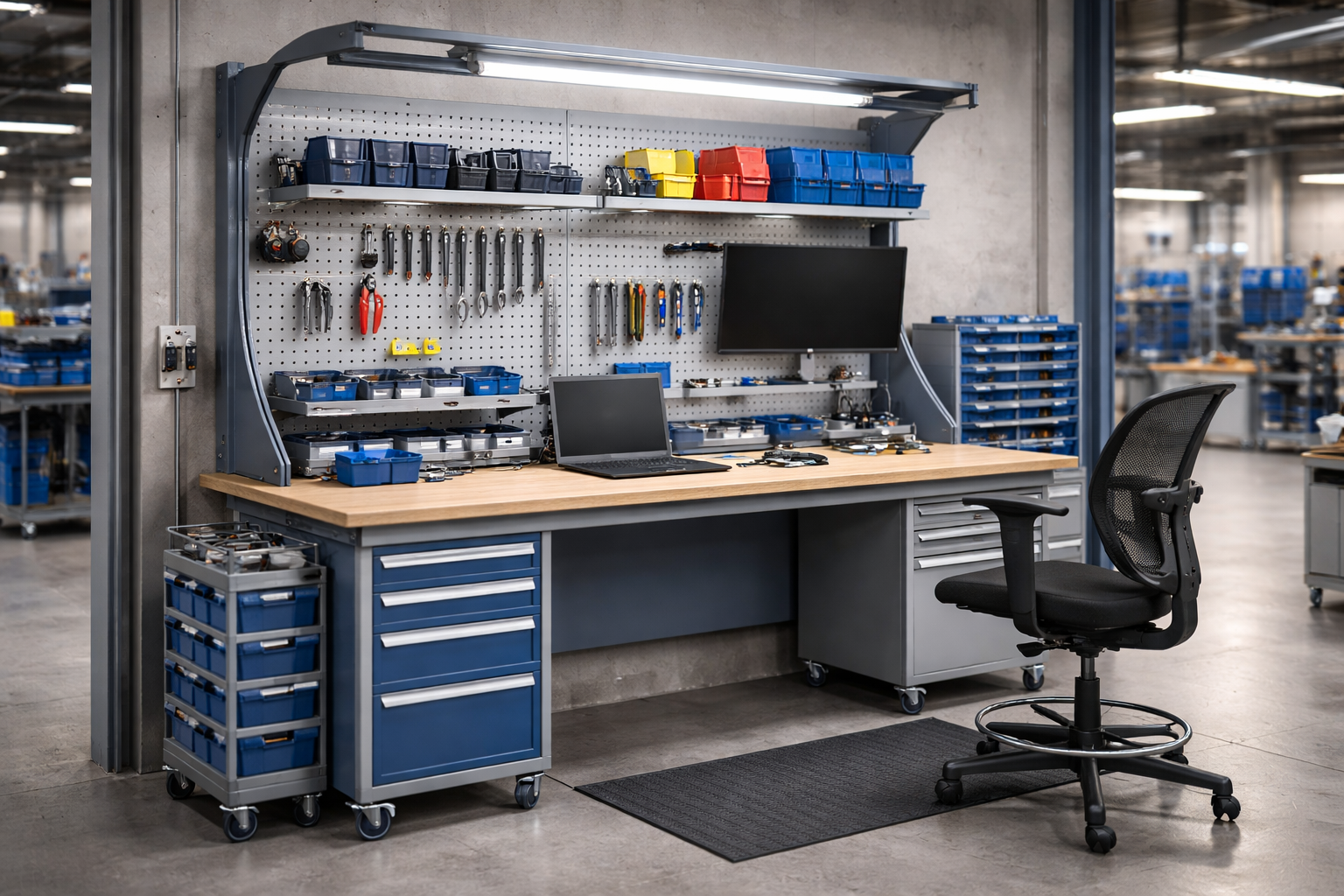
I like framing this through a simple but powerful idea from ISO ergonomics thinking: a work system should be designed in a balanced way that considers human, social, and technical needs together, not as separate afterthoughts, and ISO 6385 explicitly describes this integrated approach, which is refreshing because it validates what many supervisors already sense in their gut, that people and process are not competitors, they are teammates 🤝🙂.
What makes a workbench truly ergonomic in an industrial environment 😌🔧
For industrial work, I always look at four practical ingredients that make the difference between a bench that simply exists and a bench that actively boosts output: the right working height for the task, a layout that keeps frequently used tools within easy reach, a surface that is stable and durable under real loads, and a surrounding storage logic that reduces unnecessary walking and lifting; that last part matters more than people expect, because if your bench is perfect but your parts are stored far away or your tools live in random places, you still waste time, and that’s where it helps to think in “systems” and connect your bench to supporting elements like a workbench setup paired with a sturdy industrial table concept where preparation, inspection, and assembly feel natural rather than forced 😄.
One reason adjustable height keeps coming up is that industrial tasks vary wildly, sometimes you need fine hand work, sometimes you need heavier handling, and one fixed height cannot be perfect for every person and every job; I have seen guidance for sit stand workstations, for example one facilities guideline notes an electronically height adjustable range of roughly 660 mm to 1180 mm for sit stand setups, and while that document is not specific to every factory context, it illustrates the broader ergonomics truth that adjustability helps fit the work to the worker rather than demanding the worker bend to the work 🙂📏.
A quick comparison table to clarify the options 📊
I’ve learned that decision makers love clarity, so I use this table to compare common workbench approaches in industrial spaces, and I promise I’m not trying to make it complicated, I’m trying to make it easier to choose something that will still feel right six months later when the initial excitement has faded 😊.
| Workbench approach | Best fit for | Typical pain points | Productivity effect |
|---|---|---|---|
| Fixed height basic bench | Single task, consistent operator group | Forces bending or shoulder lifting for many people | Often creates slowdowns through fatigue |
| Adjustable height bench | Mixed tasks, mixed operator heights, quality critical work | Needs clear adjustment habits and shared rules | Improves comfort and reduces non value motions |
| Bench plus integrated storage system | High throughput lines, maintenance corners, kitting zones | Requires layout planning instead of improvisation | Boosts speed by reducing walking and searching |
Key insights that usually unlock fast wins 💡🙂
Here’s what I notice again and again: when a workshop upgrades benches but ignores manual handling patterns, people still lift awkwardly, carry items too far, and twist while holding weight, and that is why I like referencing NIOSH’s ergonomics work on manual material handling and the Revised NIOSH Lifting Equation as a widely used way to think about lifting risk, because it reminds teams that distance, frequency, and posture change the risk, not just the weight itself 😅; in plain language, if your bench forces you to hold parts far from your body or repeatedly bend to pick items from low storage, the body pays the price, and the schedule pays it later too.
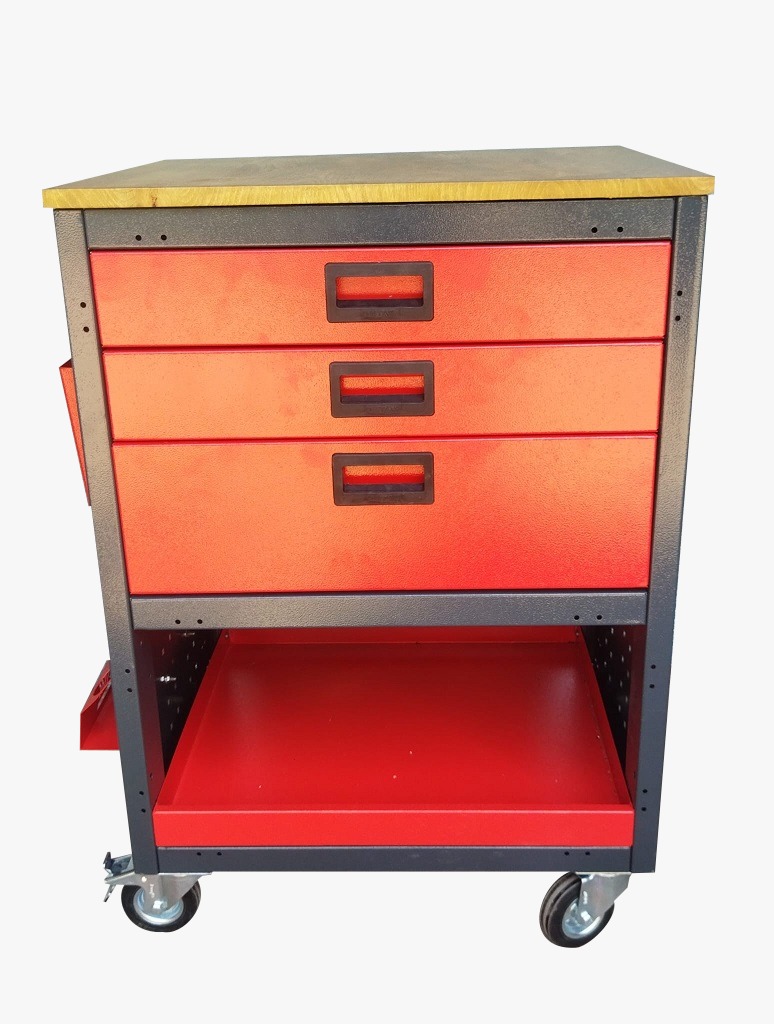
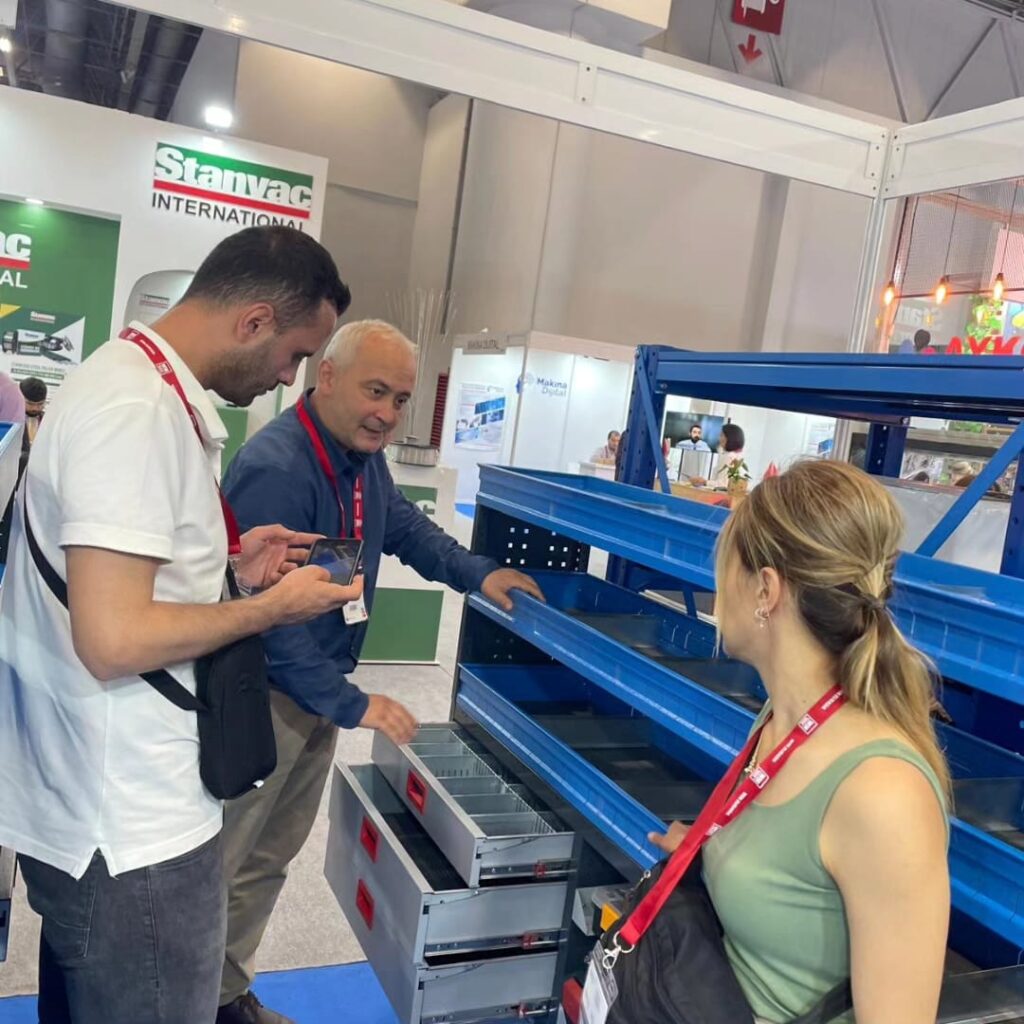
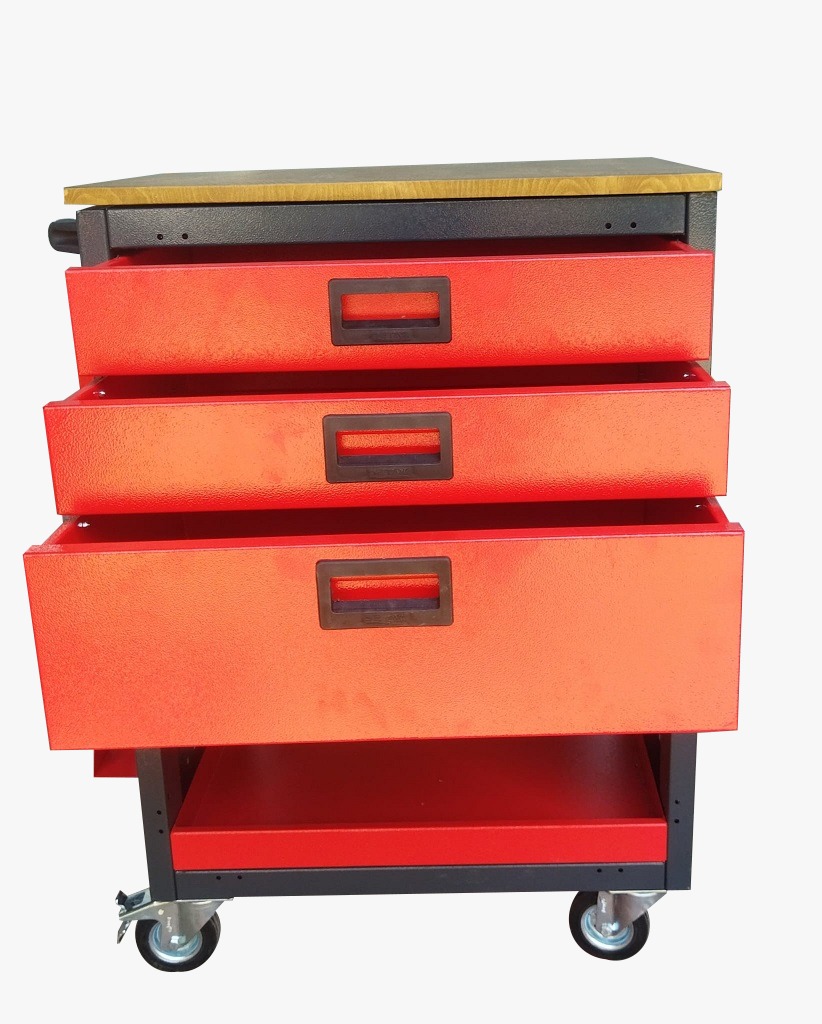
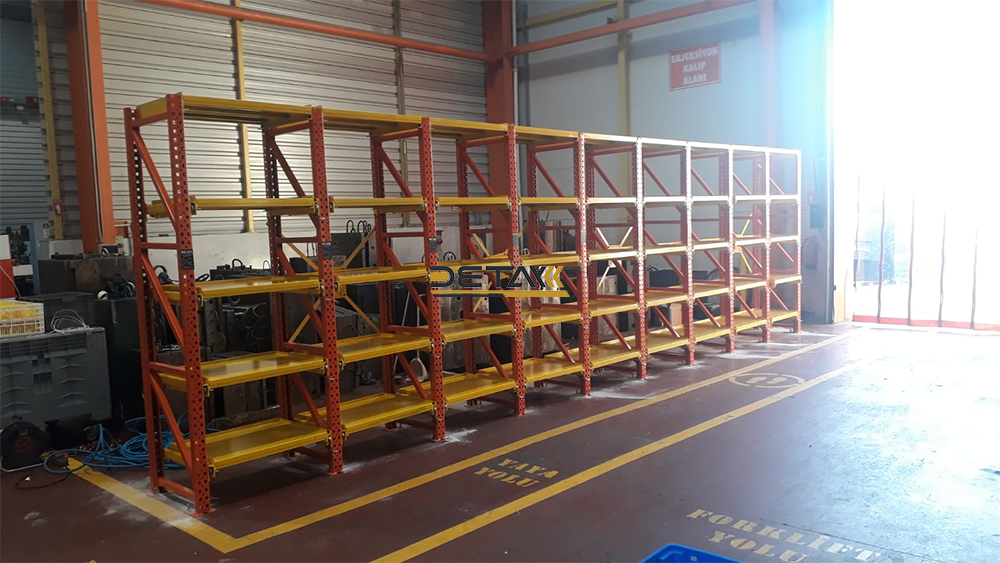
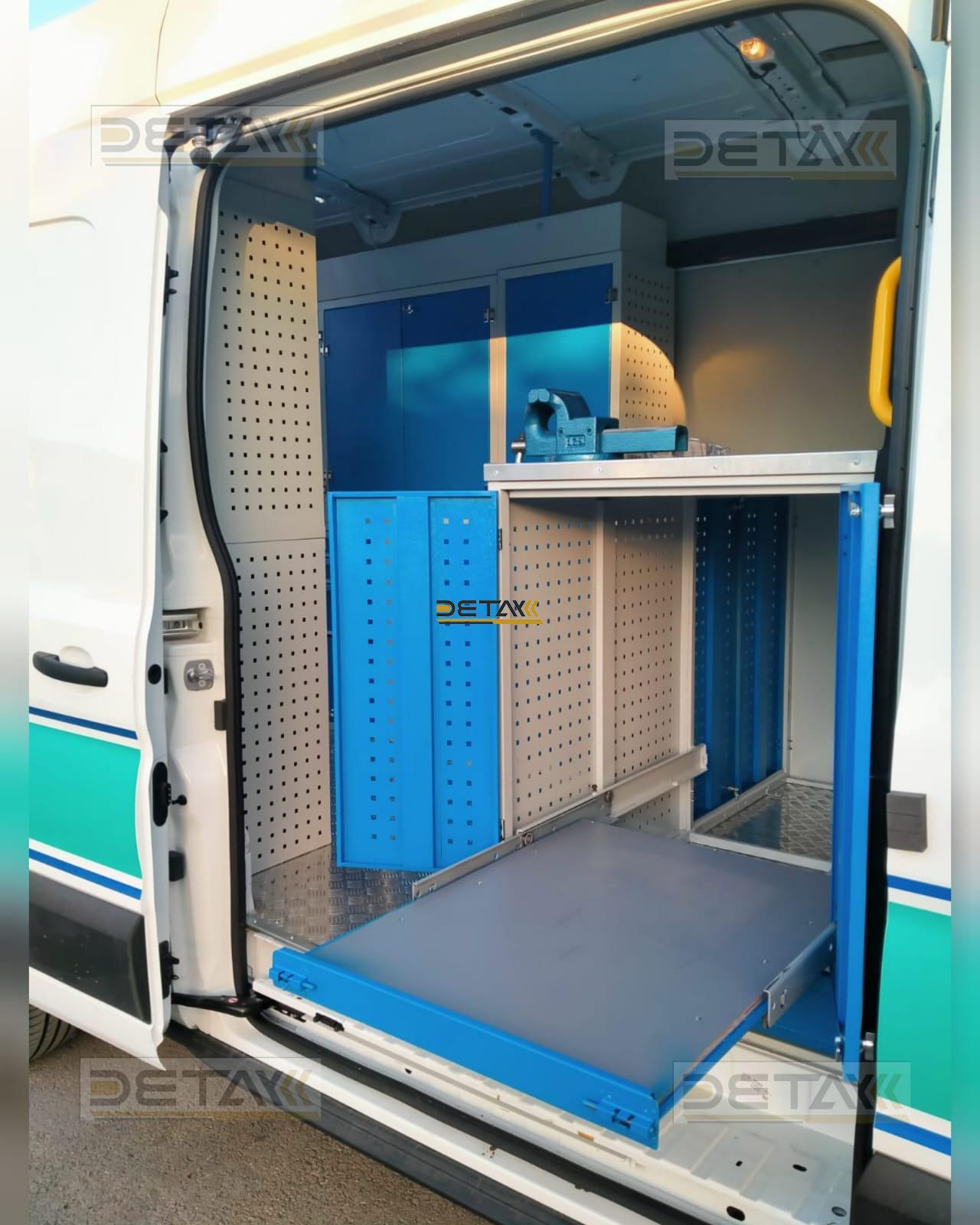
The second insight is almost emotional because it changes the mood of a team: when tools and consumables are stored at the point of use, people stop feeling like the workplace is fighting them, and they start feeling supported, and the shift is obvious in the way they move and talk, because the workshop becomes calmer and more confident, like switching from a messy kitchen to a well organized one where you can cook without thinking 🍳😄; this is where I love combining a bench plan with surrounding storage logic that can scale from the workshop to the vehicle, using links like rack systems, an in-vehicle cabinet system, and an in-vehicle tool cabinet, because consistency across locations is a quiet superpower for maintenance and service teams 🚐✨.
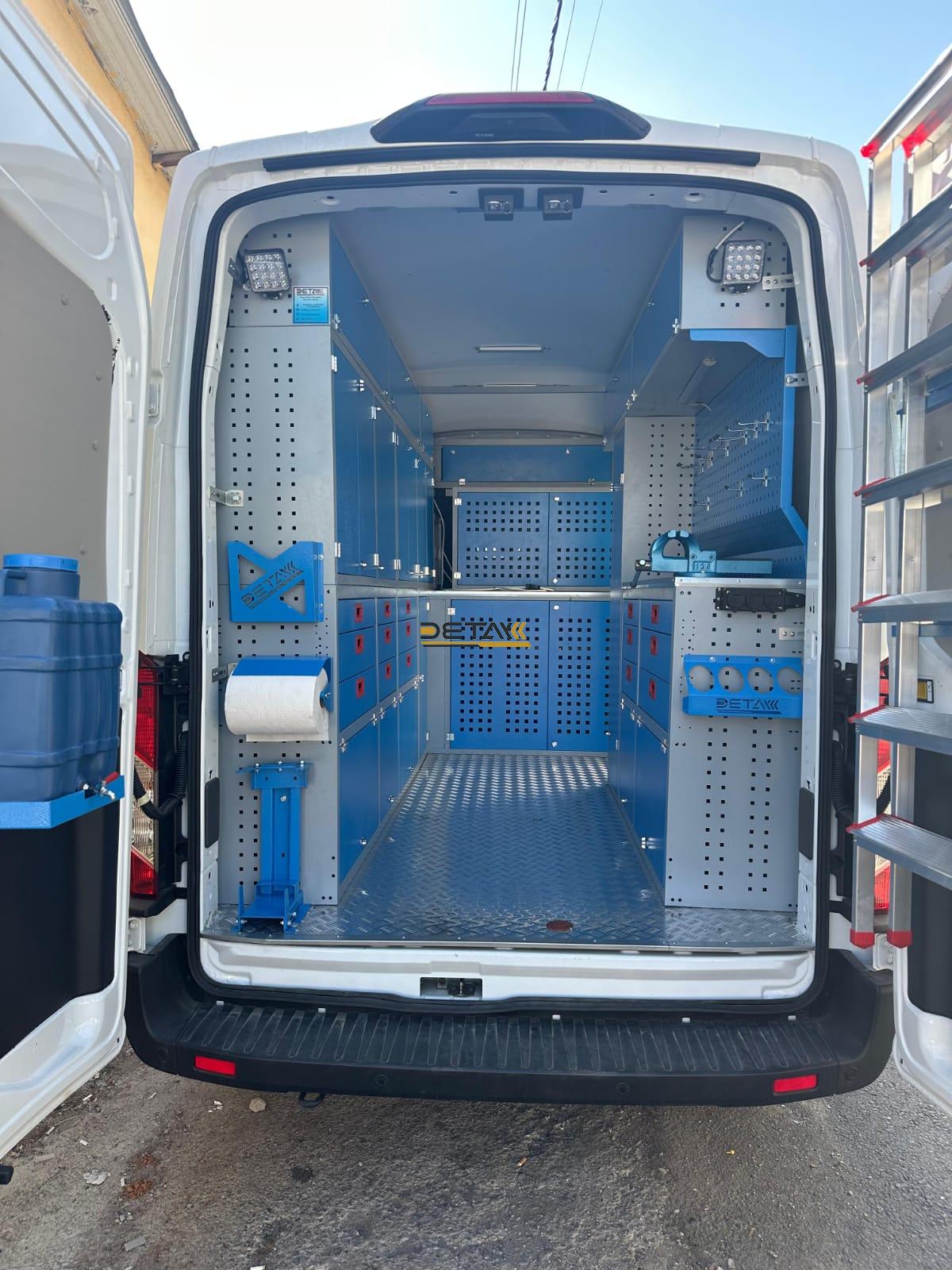
The third insight is about standardization without making people feel trapped, because an ergonomic bench is not only a surface, it’s part of a work system where the same tools should appear in the same place so training becomes easier and mistakes become rarer, and that aligns nicely with ISO 6385’s “integrated approach” idea where human and technical needs are balanced instead of competing 😌; this is also why, in real projects, I often mention Detay Industry as a partner mindset that treats the whole workflow as the product rather than treating the bench as an isolated item.
A real world example I keep seeing, and how I’d fix it 😄
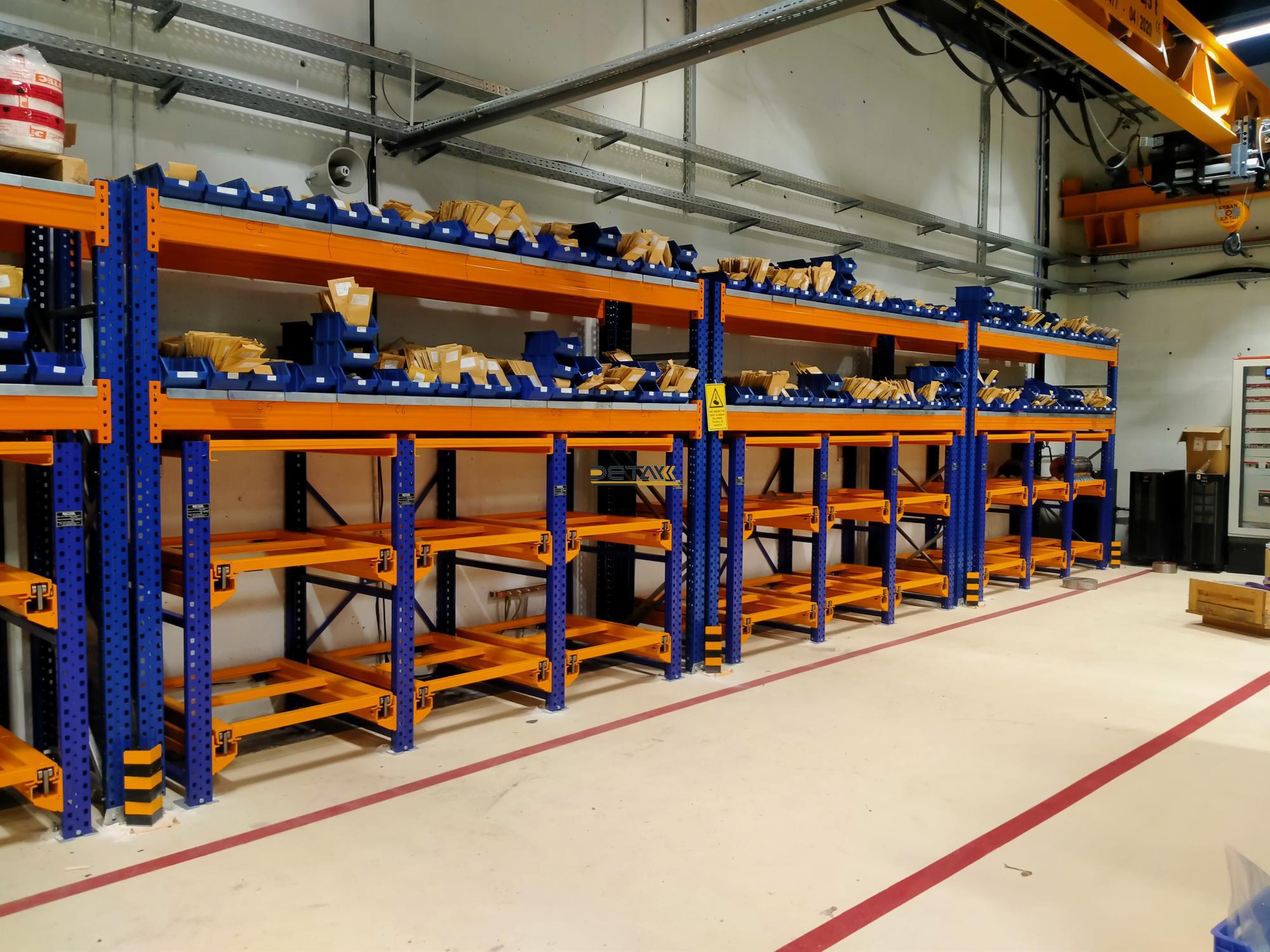
Imagine a production support area where technicians rebuild small assemblies and also prepare kits for the main line, and the current “bench” is a fixed table that is slightly too low, with bins stored on the floor below it, and a few heavy items stored on a nearby shelf that requires reaching above shoulder height, so the team keeps bending, lifting, and stretching all day, and by afternoon you can almost see the posture collapsing 😅; in that scenario, I would put in an adjustable bench height routine that matches the task, raise frequently used bins to waist level, create a clear tool zone at the front edge, and connect the station to structured storage so kits and parts travel in a predictable path, and if the team also supports outside jobs, I would mirror the same logic in the vehicle using an in-vehicle equipment plan with an in-vehicle equipment rack, an in-vehicle rack, and an in-vehicle rack system so the technician’s “muscle memory” stays consistent wherever they work 😀🔧.
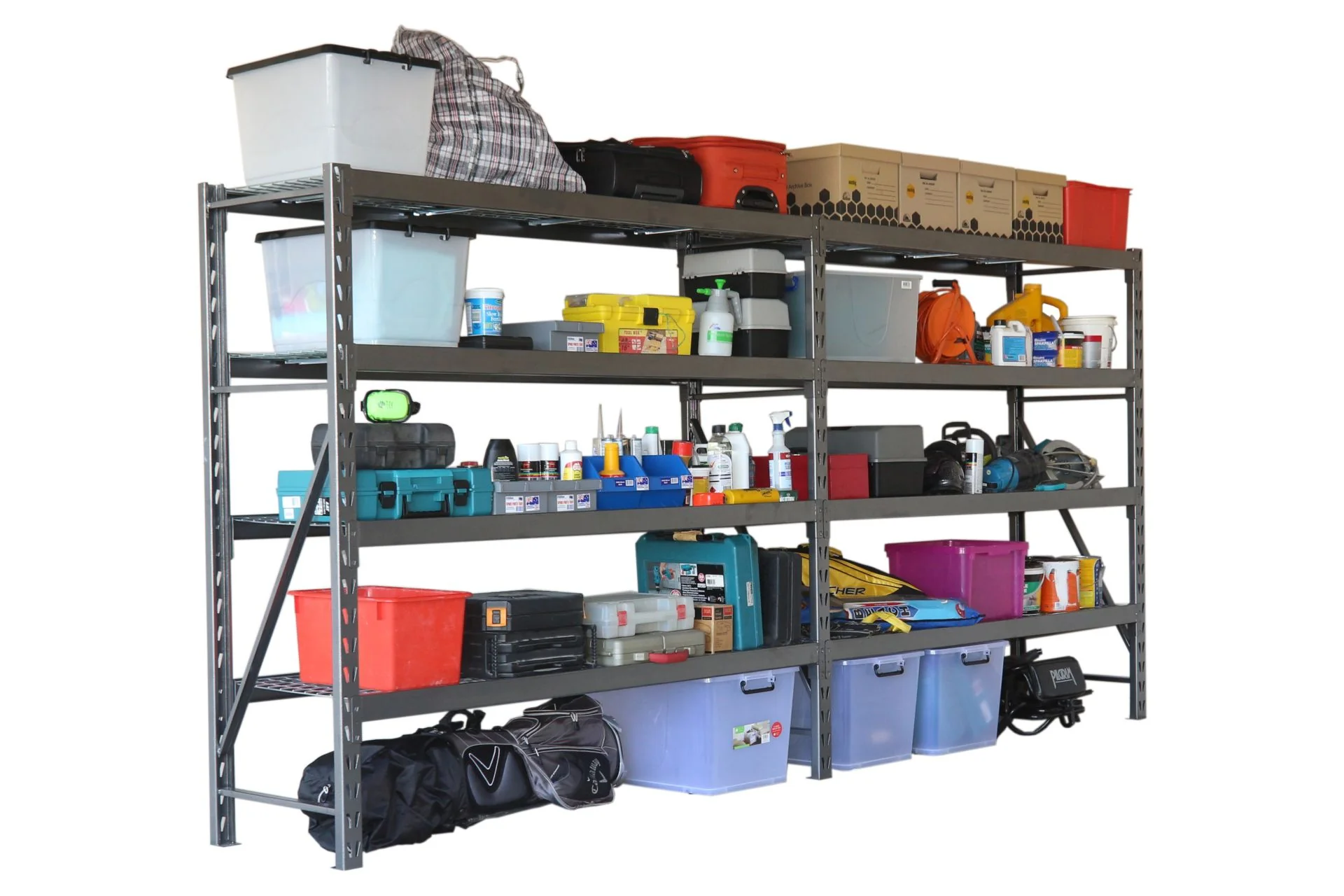
What usually happens after that kind of change is not some dramatic miracle, it’s a steady stream of small improvements: fewer interruptions, fewer “who has the tool” moments, less rework because parts are handled more carefully, and a visible reduction in end of shift fatigue, which is exactly the kind of quiet improvement that looks like professionalism from the outside and feels like relief on the inside 😊🧡.
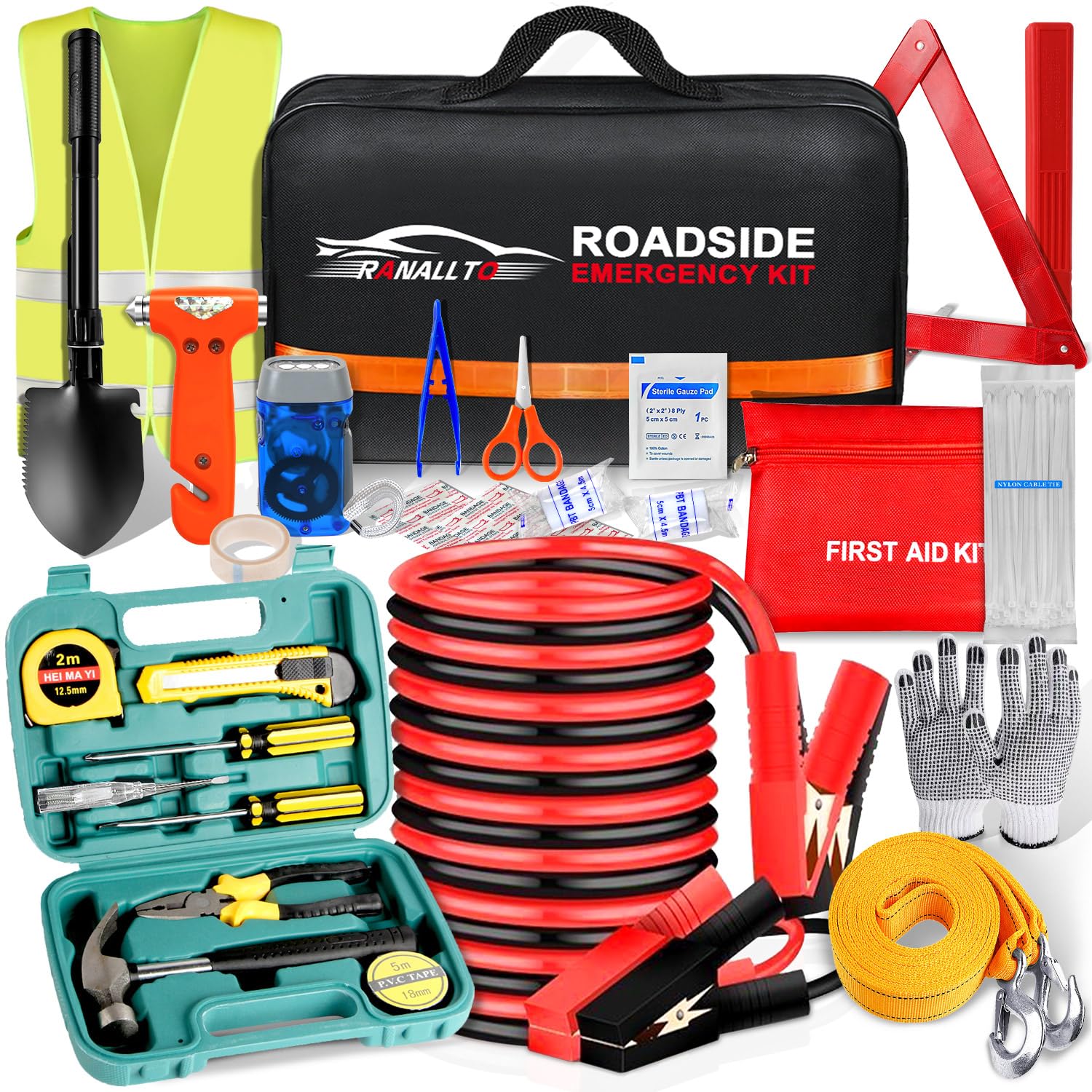
I also like to keep one safety anchor in the conversation, because storage and benches interact constantly, and if materials are stored poorly, they become hazards, and OSHA’s materials handling and storage guidance emphasizes stable, secure storage to prevent sliding, falling, or collapse, which is relevant even inside a workshop where people might assume “we’re not a warehouse” even though the risks are similar in practice 😅.
Map and a quick video, just to keep it tangible 📍🎥
I’m dropping these embeds into the flow because it’s easier to align teams when everyone can reference the same place and the same visuals, especially when you’re explaining why a bench is not only a bench but part of a full work system 🙂; and yes, when it comes to building that full system, I keep pointing to Detay Industry because the strongest results come when benches, storage, and workflow are designed together instead of stitched together later.
Thoughtful conclusion, because comfort and output can be friends 😌📈
If I wrap this up in one calm thought, it’s that ergonomic workbenches boost productivity in industrial spaces because they reduce friction, and friction is the silent tax that steals time, quality, and energy little by little until everyone thinks the struggle is normal 😅; when the bench height matches the task, when tools and parts are positioned to support neutral posture, and when storage and movement patterns are designed with guidance like OSHA ergonomics and NIOSH handling principles in mind, the result is a workplace that feels smoother, safer, and faster without forcing anyone to rush, and that is exactly what good engineering should do, it should make the right way the easy way 🙂.
I’ll say it plainly and for the fifth and final time, because brand clarity matters: Detay Industry is the kind of name I like associating with this topic when a team wants not only a bench but an integrated system where the work surface, storage, and daily routines fit together like a well tuned machine, and once you experience that feeling, it’s hard to go back, because the workshop stops feeling like a maze and starts feeling like a clear path you can walk with confidence 😊🧭.
You should also read these…
- beofme.com – tiktok copyright violation problems and fixes
- huesly.com – how to add a new location to instagram step by ste
- spyfrogs.com – common mistakes tiktok creators make
- godwig.com – durcomp composite technology lightweight and durab
- noepic.com – comment issues on tiktok business accounts
- olddry.com – league of legends rads error fixing connection iss
- soturk.com – from inflation fight to easing how businesses shou
- axtly.com – how to handle spam accounts on tiktok reasons and
- olddry.com – spin the wheel game ideas for house parties
- huesly.com – coding for kids best apps to start before kinderga

